
Warehouse Logistics
Best Practices for Effective Warehouse Management
At ORGATEX GmbH, we understand that efficient warehouse logistics is the backbone of any successful operation, especially in the dynamic mechanical engineering industry. As European market leaders in lean practices and warehouse solutions, we are dedicated to helping you optimize your internal processes, enhance productivity, and achieve unparalleled customer satisfaction. This guide provides comprehensive insights and actionable strategies to transform your warehouse into a paragon of efficiency.
Understanding Warehouse Logistics
Warehouse logistics is a multifaceted discipline that forms the critical link in the supply chain, ensuring the seamless flow of goods from supplier to customer, particularly through effective storage solutions. For businesses in the mechanical engineering sector, mastering warehouse logistics is not merely about storage; it is about strategic inventory management, optimizing material flow, and utilizing warehouse space to its fullest potential to support robust production schedules and timely delivery. Effective warehouse logistics directly impacts operational costs and overall business performance.



Definition and Importance of Warehouse Logistics
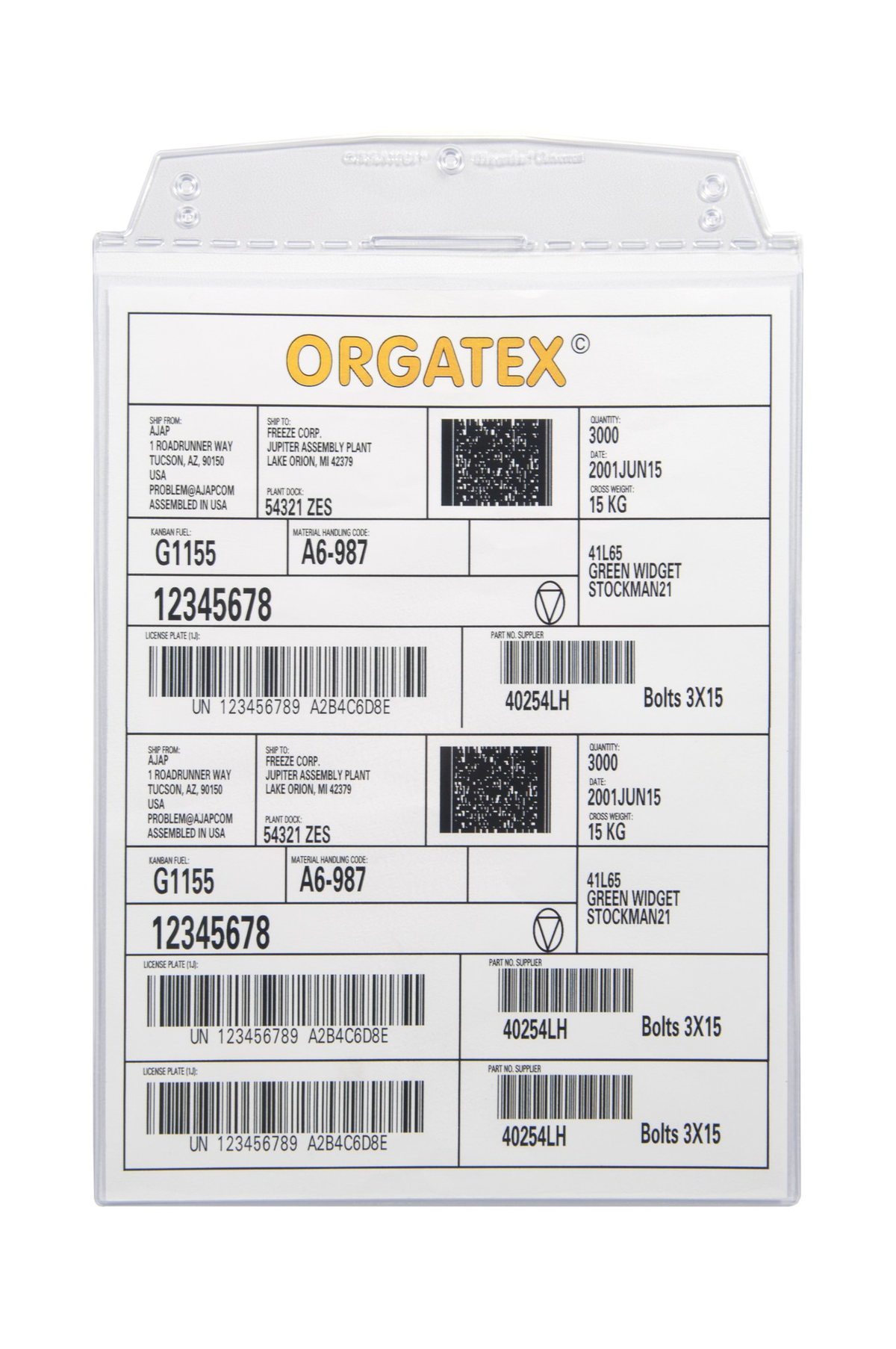
Warehouse logistics encompasses all processes involved in the storage, handling, and movement of goods within a warehouse and its immediate environment. This includes everything from receiving raw materials and components to storing finished products, managing inventory, and preparing orders for shipment. The importance of efficient warehouse logistics cannot be overstated, as it directly influences a company’s supply chain resilience, inventory control, and ability to meet customer demands promptly. A well-orchestrated logistics process minimizes operational disruptions and enhances overall productivity.

Key Components of Warehouse Management
Effective warehouse management relies on several interdependent components that collectively optimize warehouse operations. These include robust inventory management systems, strategic warehouse layout design, efficient material handling equipment like forklifts, and advanced technologies such as a Warehouse Management System (WMS). Furthermore, labor management, risk management, and the implementation of lean principles are crucial for streamlining processes and maximizing the utilization of warehouse space. ORGATEX's solutions, for instance, facilitate precise material and container identification, which is vital for accurate inventory tracking.
Benefits of Efficient Warehouse Logistics
Implementing efficient warehouse logistics yields substantial benefits, including reduced operational costs, improved order fulfillment rates, and enhanced customer experience. By optimizing the flow of goods and leveraging advanced technologies, businesses can minimize inventory holding costs, prevent stockouts, and accelerate shipment processes, thus reducing costs overall. This strategic approach to logistics management not only boosts productivity but also allows companies to adapt quickly to market fluctuations, such as the rapid growth of e-commerce, ensuring a competitive edge and sustainable growth within their supply chain.
Challenges of Warehouse Logistics
Managing the intricacies of warehouse logistics presents a myriad of challenges that demand sophisticated solutions and a profound understanding of operational dynamics. The constant pressure to optimize inventory, streamline order fulfillment, and ensure timely delivery often clashes with the complexities of managing diverse stock levels, fluctuating demand, and the inherent risks of human error. For businesses, especially in mechanical engineering, navigating these challenges effectively is crucial for maintaining a competitive edge and ensuring the seamless flow of goods within their supply chain. At ORGATEX, we empower you to transform these challenges into opportunities for growth and efficiency.
Common Pain Points in Warehouse Operations
Many businesses grapple with common pain points in their daily warehouse operations, significantly impacting overall productivity and customer experience. These often include inefficient use of warehouse space, leading to congestion and difficult navigation, inaccurate inventory tracking that results in stockouts or overstocking, and slow order fulfillment due to manual processes or outdated technology. Furthermore, a lack of real-time visibility into stock levels and material flow can hinder decision-making and impede effective logistics management, particularly in the context of storage and distribution. Addressing these issues systematically is fundamental to achieving operational excellence in warehouse logistics.
Identifying Inefficiencies in Logistics Processes
Identifying inefficiencies within your logistics processes is the crucial first step toward optimization. This involves a comprehensive analysis of every stage, from goods receipt and storage to order picking, packing, and shipment. Look for bottlenecks in material flow, redundant steps in order fulfillment, and areas where manual intervention could be replaced by automation to streamline processes. Poor warehouse organization, suboptimal routing for forklifts, and inadequate storage systems often signal underlying inefficiencies. ORGATEX specializes in helping you pinpoint these areas and implement best practices for improvement, such as dynamic storage location labeling.
Strategies to Overcome Challenges
Overcoming the challenges of warehouse logistics requires a strategic approach that integrates advanced technologies, lean principles, and robust management systems. Implementing a comprehensive warehouse management system (WMS) is paramount, offering real-time visibility and control over inventory and warehouse operations, aiding in effective goods handling. Automation, such as pick/put-to-light systems and automated material handling, can significantly boost productivity and accuracy in order picking. Furthermore, fostering a culture of continuous improvement, supported by regular training and the adoption of tools like digital goods receipt notes, will help your company’s supply chain remain resilient and adaptable to market changes, ensuring seamless operations and enhanced customer satisfaction.
Best Practices in Warehouse Management
Implementing Effective Inventory Management
Effective inventory management is a cornerstone of superior warehouse logistics, directly impacting your company’s supply chain efficiency and profitability. Implementing best practices in inventory control ensures that you maintain optimal stock levels, thereby minimizing holding costs and preventing costly stockouts that can disrupt production and delay order fulfillment. Utilizing advanced technologies for real-time inventory tracking allows for precise planning and immediate adjustments, enhancing the overall productivity of your warehouse operations and workflow. ORGATEX offers practical solutions for material and container identification, crucial for accurate inventory management and seamless logistics.
Utilizing Warehouse Management Systems (WMS)
A robust Warehouse Management System (WMS) is indispensable for modern warehouse logistics, providing a centralized platform to optimize all warehouse operations. A WMS streamlines processes from goods receipt to shipment, offering real-time visibility into inventory, material flow, and order fulfillment status. This powerful management system enables companies to maximize warehouse space utilization, improve accuracy, and significantly boost productivity. ORGATEX emphasizes the importance of a sophisticated WMS in supporting dynamic storage location or shelving labeling, a key feature for efficient inventory control and responsive logistics management.
Optimizing Material Flow and Layout
Optimizing the material flow and layout within your warehouse is fundamental to enhancing overall warehouse logistics and achieving operational excellence. A well-designed layout minimizes unnecessary movement of goods, reducing labor costs and speeding up the order fulfillment process. Strategic placement of inventory, combined with efficient routing for forklifts and other material handling equipment, contributes to a more streamlined and productive environment. ORGATEX's expertise in lean principles helps businesses reconfigure their warehouse space, addressing common pain points and maximizing efficiency to ensure a seamless flow of goods.
Innovative Solutions for Warehouse Logistics
Automation in Warehouse Operations
Integrating automation into warehouse operations represents a significant leap forward in modern warehouse logistics, addressing challenges such as labor shortages and the need for faster order fulfillment. Automated systems, ranging from robotic picking solutions to automated guided vehicles (AGVs), can dramatically increase efficiency, reduce errors, and enhance the overall productivity of your warehouse. This allows for a more consistent and reliable flow of goods, strengthening your company’s supply chain. ORGATEX champions the adoption of automation to streamline processes and optimize inventory management, positioning your business for sustained growth and improved customer experience.
Enhancing Logistics with Barcode Technology
Barcode technology is a foundational element for enhancing accuracy and efficiency in modern warehouse logistics. By providing a quick and reliable method for material and container identification, barcodes streamline inventory tracking, goods receipt, and shipment processes. This technology significantly reduces manual errors, offering real-time data that is crucial for effective inventory management and overall warehouse operations. ORGATEX integrates barcode solutions, such as those used in dynamic storage location or shelving labeling, to ensure precise stock levels and contribute to a more optimized and seamless logistics process within your warehouse.
Support for Kanban and Replenishment Processes
Supporting Kanban and replenishment processes is vital for maintaining lean principles and optimizing material flow within warehouse logistics, especially in dynamic production environments and during shipping and receiving. Efficient Kanban systems ensure that materials are replenished precisely when needed, preventing overstocking and minimizing the risk of stockouts, thereby contributing to robust inventory control. This approach streamlines the movement of goods, enhances productivity, and reduces waste. ORGATEX offers innovative solutions, such as button use cases, to support Kanban and replenishment processes, enabling immediate call button functionality for materials, thus ensuring continuous production and efficient warehouse management.
Case Studies: Practical Applications of Warehouse Logistics
Material and Container Identification Techniques
Effective material and container identification techniques are pivotal for the precision and efficiency of your warehouse logistics. By clearly labeling every item and container, you establish a robust framework for accurate inventory tracking and streamlined material flow throughout your entire warehouse. This not only significantly reduces the potential for errors in order fulfillment and stock management but also enhances the overall productivity of your warehouse operations. ORGATEX offers comprehensive solutions for material and container identification, ensuring seamless integration into your existing warehouse management system and contributing to a more responsive supply chain.
Dynamic Storage Location and Shelving Labeling
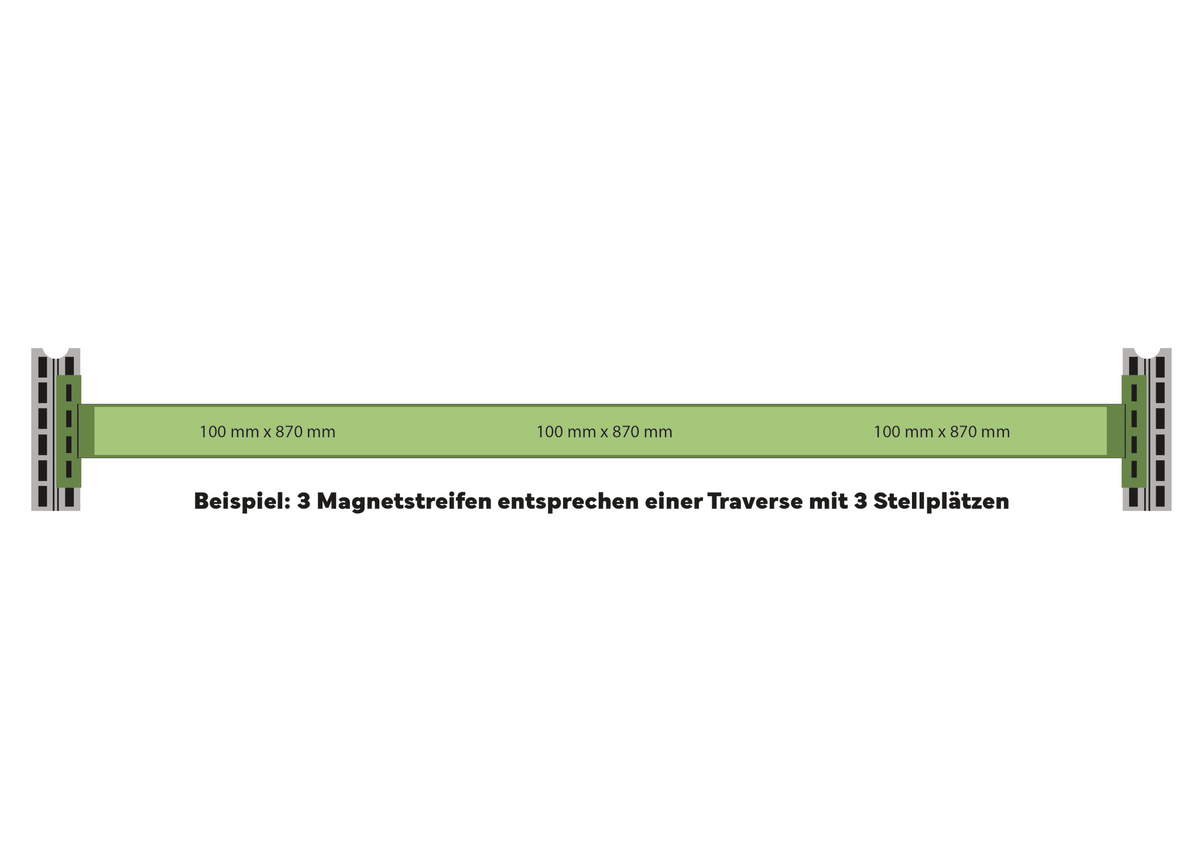
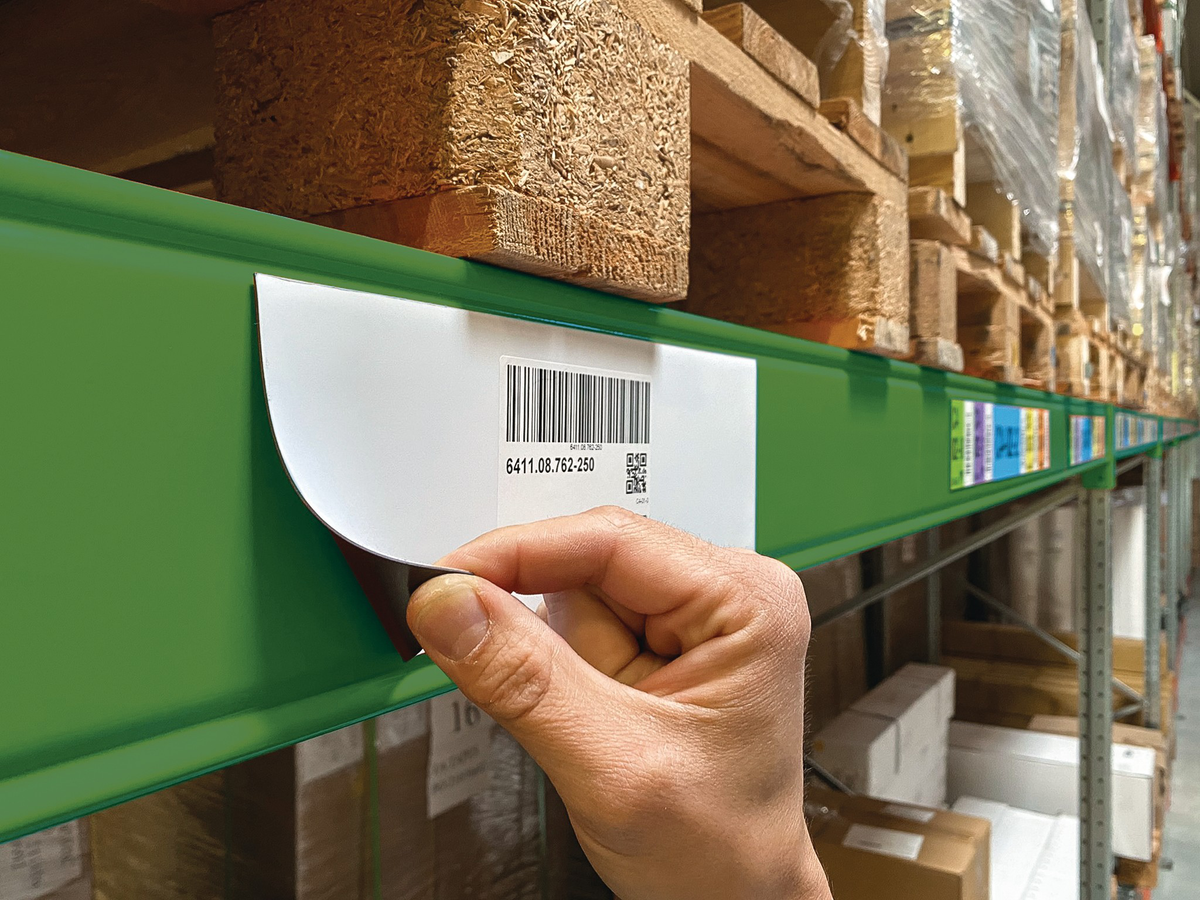
Dynamic storage location and shelving labeling are critical for adapting to the ever-changing demands of modern warehouse logistics, particularly in environments requiring flexible inventory management. This approach allows you to continuously optimize your warehouse space and material flow by easily adjusting storage locations based on current stock levels, product velocity, or seasonal demands. By implementing adaptable labeling solutions, you ensure that your inventory is always organized and easily accessible, which significantly speeds up order fulfillment and enhances overall productivity. ORGATEX provides state-of-the-art labeling systems that integrate seamlessly with your warehouse management system, addressing the common pain points of static storage and maximizing your efficiency.
Visualization of Statuses at Workstations
The visualization of statuses at workstations and staging areas is a powerful tool for enhancing transparency and efficiency within warehouse logistics. By providing real-time visual feedback on process and order information, you empower your team to quickly identify bottlenecks, prioritize tasks, and ensure that every stage of order fulfillment is progressing smoothly. This immediate visibility not only boosts productivity but also contributes to better inventory control and overall warehouse management, improving the customer experience. ORGATEX's solutions facilitate clear status displays, such as pick/put-to-light systems and digital goods receipt notes, which are essential for streamlining operations and ensuring a seamless flow of goods through your company’s supply chain.
Future Trends in Warehouse Logistics
Emerging Technologies in Warehouse Management
The landscape of warehouse logistics is continually reshaped by emerging technologies, promising unprecedented levels of efficiency and automation in warehouse management. Innovations such as artificial intelligence, machine learning, and advanced robotics are revolutionizing how inventory is managed, how material flow is optimized, and how order fulfillment is executed. These advanced technologies not only streamline processes but also provide deeper insights into warehouse operations, enabling proactive decision-making and significant improvements in productivity and customer satisfaction. ORGATEX stays at the forefront of these developments, integrating cutting-edge solutions to help you maintain a competitive edge in your company’s supply chain, particularly in goods handling.
The Role of 3PL in Modern Logistics
The increasing complexity of global supply chains and the rising demand for specialized services have significantly elevated the role of Third-Party Logistics (3PL) providers in modern warehouse logistics. 3PLs offer comprehensive logistics solutions, including warehousing, transportation, and distribution, allowing companies to focus on their core competencies while benefiting from expert inventory management and optimized material flow. By outsourcing these critical functions, businesses can access advanced technologies and economies of scale, leading to improved efficiency, reduced operational costs, and enhanced customer satisfaction. ORGATEX collaborates with 3PLs to ensure seamless integration of its solutions, maximizing the benefits for your overall supply chain management.
Sustainability and Efficiency in Warehouse Practices
Sustainability and efficiency are becoming non-negotiable imperatives in modern warehouse logistics, driven by environmental concerns and the pursuit of operational excellence. Implementing sustainable warehouse practices involves optimizing energy consumption, reducing waste through efficient inventory control, and utilizing eco-friendly material handling equipment to enhance storage solutions. These efforts not only minimize the environmental footprint of warehouse operations but also lead to significant cost savings and improved productivity. ORGATEX champions the integration of lean principles and advanced technologies to help you achieve both sustainability goals and unparalleled efficiency in your warehouse management, ensuring a resilient and responsible company’s supply chain.




FAQs on "Warehouse Logistics"
How does supply chain management affect warehouse logistics and moving goods?
Supply chain management coordinates procurement, inventory, and final delivery, directly impacting warehouse logistics and the speed of moving goods. Efficient information flow and collaboration with carriers reduce transportation costs and storage costs, while integrated systems enable better planning for high-volume periods and smoother reverse logistics for returns.
What makes an effective warehouse layout to support efficient storage and picker productivity?
An effective warehouse layout groups high-volume SKUs near packing and shipping areas, creates clear pick paths for each picker, and uses slotting optimization to minimize travel time. Incorporating efficient storage solutions like pallet racking and mezzanines lowers operating costs and improves throughput while maintaining organizational clarity for quality control.
How can optimization tools reduce operating costs and transportation costs in warehouse logistics?
Optimization tools model inventory levels, pick routes, and carrier selection to cut operating costs and transportation costs. Algorithms balance storage costs against service levels, suggest consolidation for final delivery, and help plan reverse logistics. These tools enable data-driven decisions that improve both cost efficiency and quality service to customers.
Why is quality service important in warehousing and how does it relate to quality control?
Quality service in warehousing ensures accurate orders, on-time final delivery, and responsive handling of returns, which depends on strong quality control processes. Regular inspections, cycle counts, and standardized packing procedures reduce errors and rework, protecting customer satisfaction and lowering costs associated with returns and corrections.
What role does supply chain visibility play in handling reverse logistics and returns?
Supply chain visibility tracks items from receipt to final delivery and back through reverse logistics, enabling faster decisions about restocking, refurbishing, or disposal. Visibility reduces delays, improves processing of returns, and helps manage storage costs by quickly freeing space or reallocating goods for resale.
How can an effective warehouse support high-volume order periods without inflating storage costs?
An effective warehouse uses dynamic slotting, scalable labor (including in-house and temporary pickers), and real-time inventory systems to handle high-volume surges while controlling storage costs. Cross-docking and temporary staging areas minimize long-term storage needs and reduce excess handling that would increase operating costs.
What optimization strategies improve organizational workflows and picker accuracy?
Optimization strategies include batch picking, zone picking, and automated pick-to-light systems that streamline organizational workflows and boost picker accuracy. Training, standardized procedures, and continuous improvement initiatives reinforce quality control and reduce errors that add to operating costs and delay final delivery.
How do transportation costs and warehouse location decisions interact in supply chain planning?
Transportation costs and proximity to customers influence warehouse location: closer warehouses lower last-mile costs and speed final delivery but may raise storage costs or facility rents. Supply chain planning balances these trade-offs to minimize total landed cost while maintaining quality service and efficient distribution of moving goods.
How can in-house capabilities versus outsourced services affect warehouse optimization and quality service?
Choosing in-house operations gives direct control over quality control, organizational culture, and picker training, which can enhance quality service. Outsourcing can provide scalability and specialized expertise that improve optimization and reduce operating costs. The decision hinges on cost-benefit analysis of transportation costs, storage costs, and the ability to maintain service levels.
What best practices ensure warehouse logistics support final delivery and maintain quality control?
Best practices include accurate demand forecasting, routine cycle counts, clear labeling, efficient storage layouts, and robust reverse logistics procedures. Combining these with continuous optimization of pick paths and training for pickers ensures reliable final delivery, minimizes returns, and sustains the quality service customers expect.