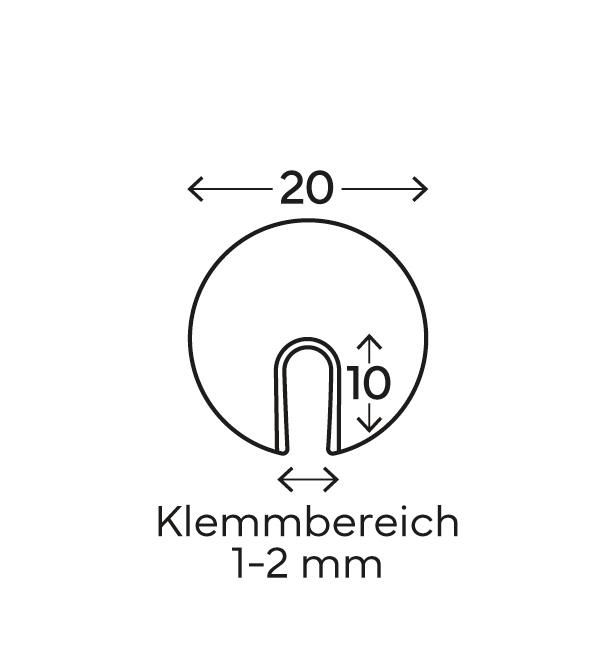
Safety that has proven itself in practice
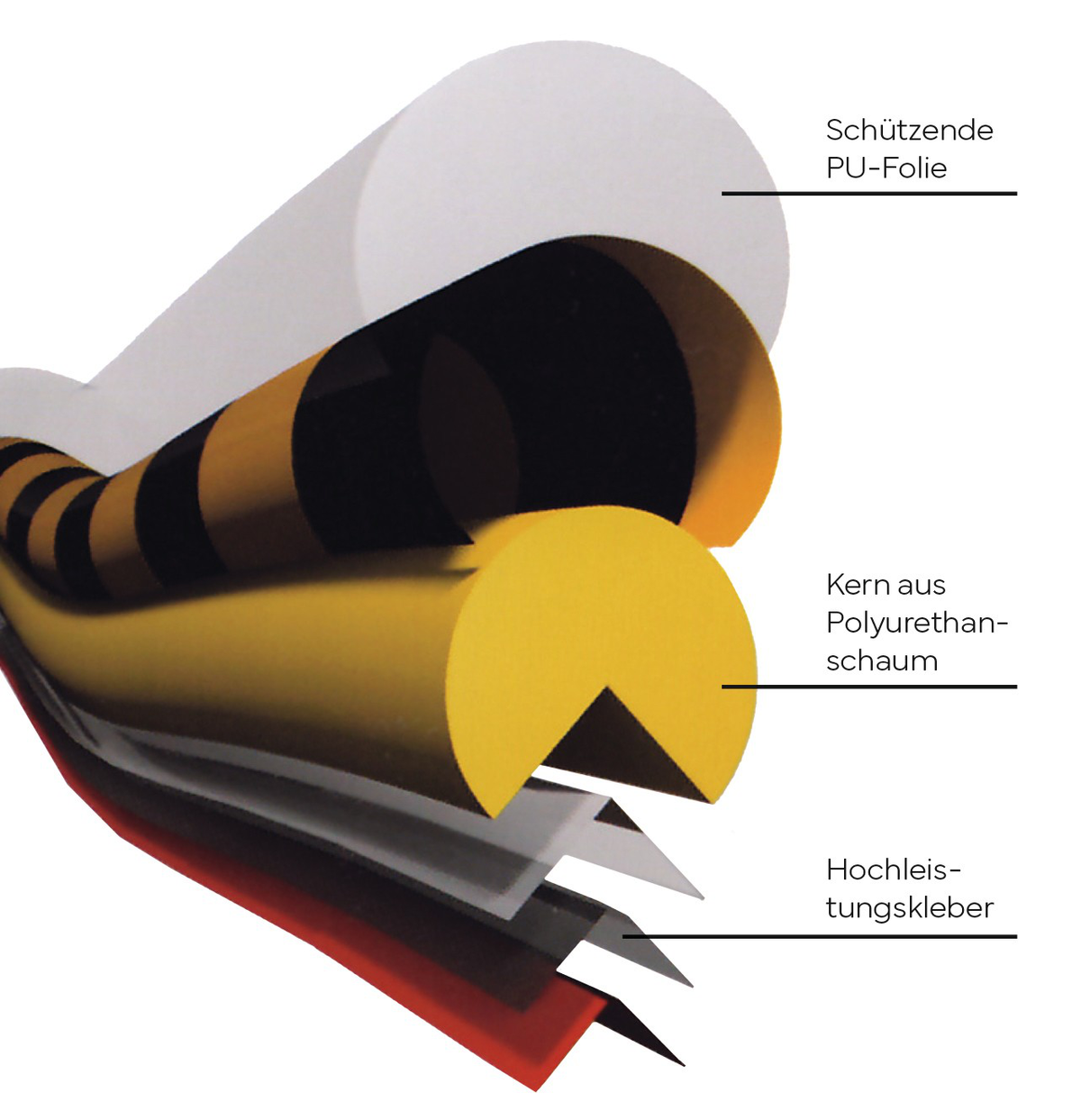
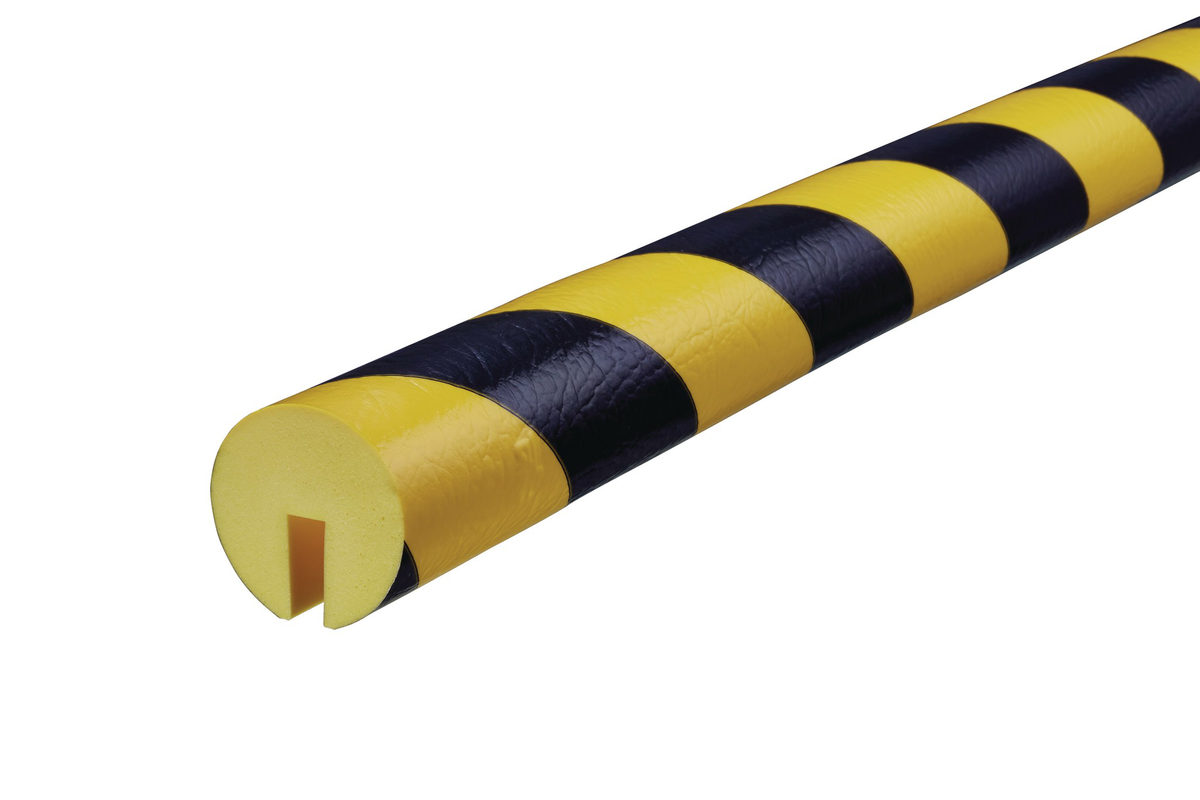
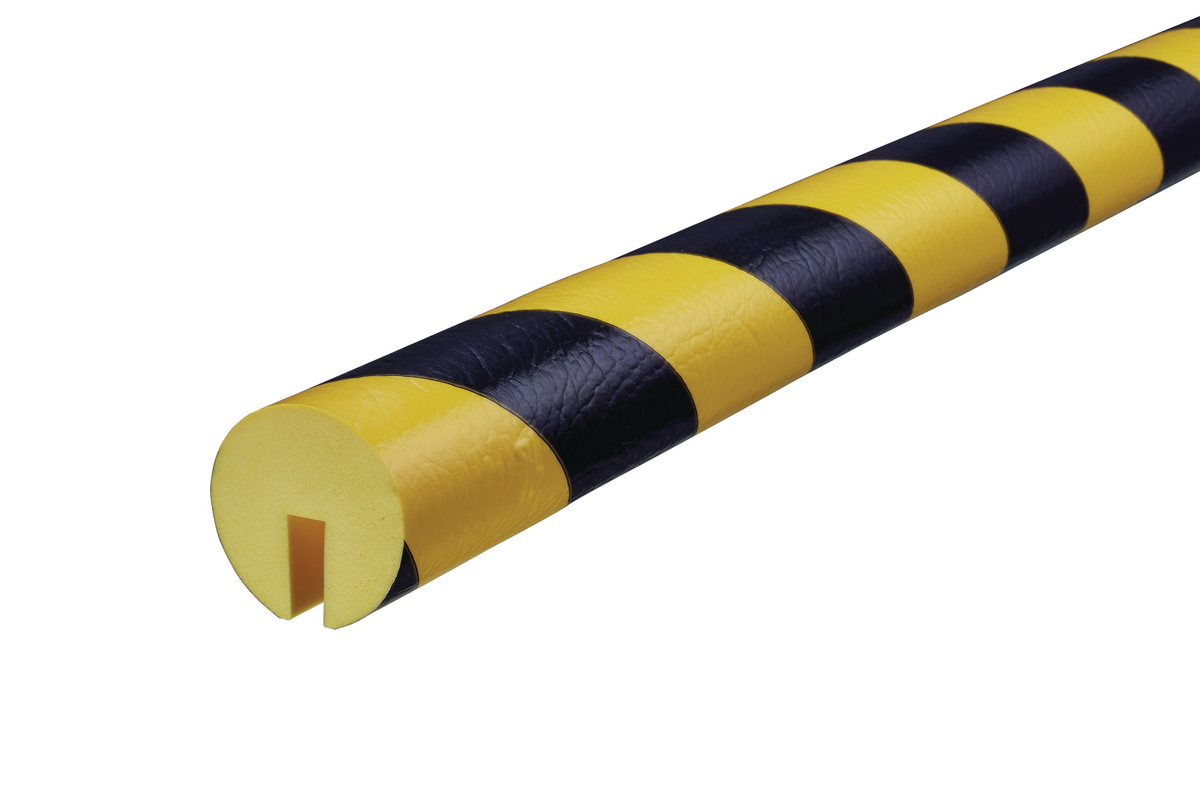
ORGATEX warning and protective profiles are made of durable polyurethane foam with a high-strength adhesive, ensuring compliance with security evaluations and authorization acquisition, thus supporting critical role in safety. They are: collaborative protection profiles designed to enhance safety.
✔ Shock-absorbing, ensuring compliance with common criteria for effective protection and enhancing information assurance for successful evaluation, while also being accessible (ase).
✔ UV and moisture resistant, providing assurance of durability and performance in line with U.S. information assurance standards and accessibility guidelines (ase).
✔ Temperature resistant from -40 °C to +100 °C, ensuring products and systems remain effective in various U.S. security environments and evaluated products, thus supporting compliance with U.S. cc standards.
✔ Suitable for indoor and outdoor use, with features that enhance accessibility (ase).
This makes them ideal for all industrial working environments – from warehouses and manufacturing areas to traffic routes and passageways, addressing various security concerns and evaluated products, particularly those related to accessibility (ase).
Wide selection for every application
Our warning profiles are available in various shapes, sizes, and materials to ensure they adapt perfectly to any surface and application, enhancing the depth and rigor of safety measures in compliance with U.S. safety standards.
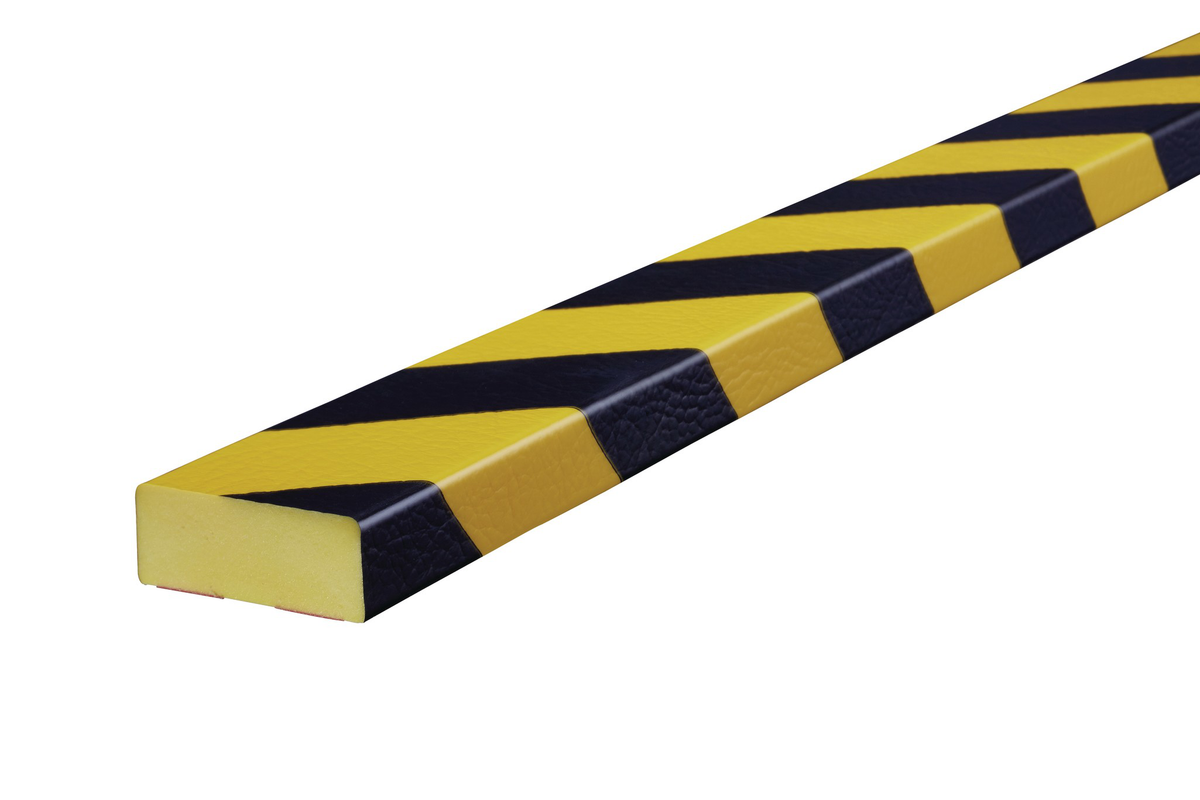
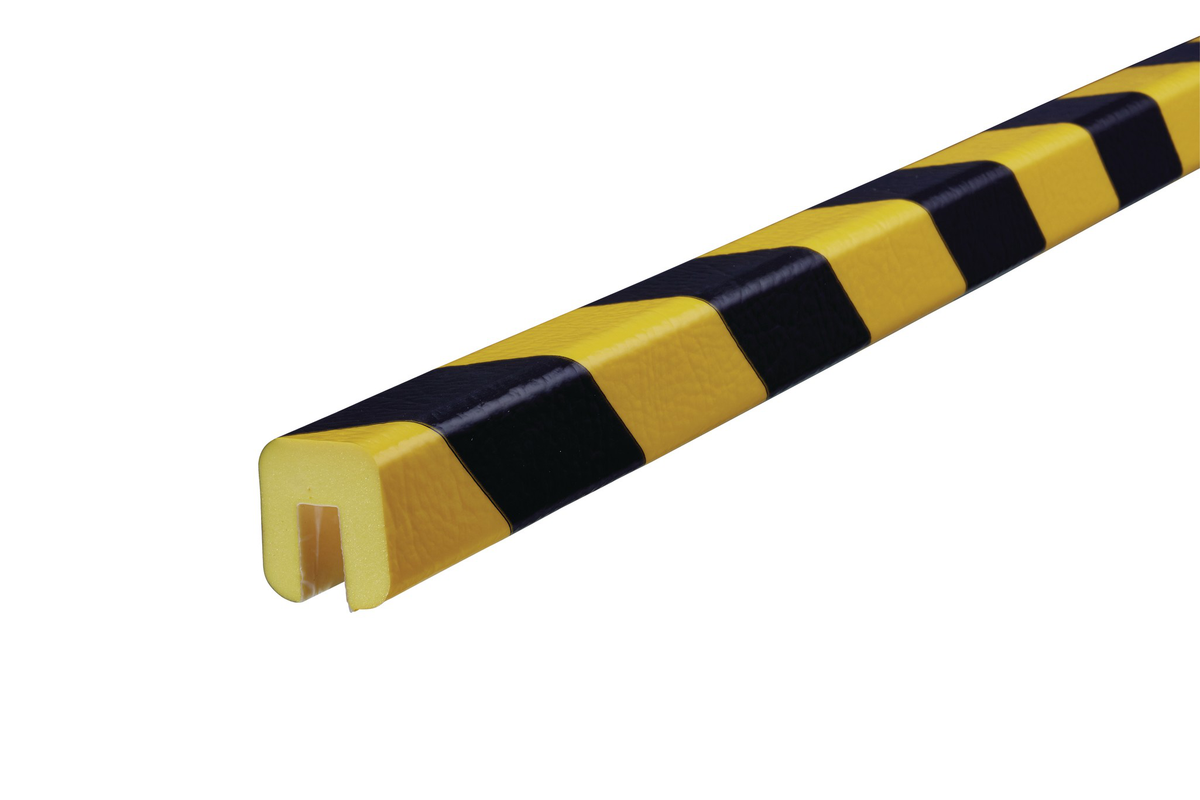
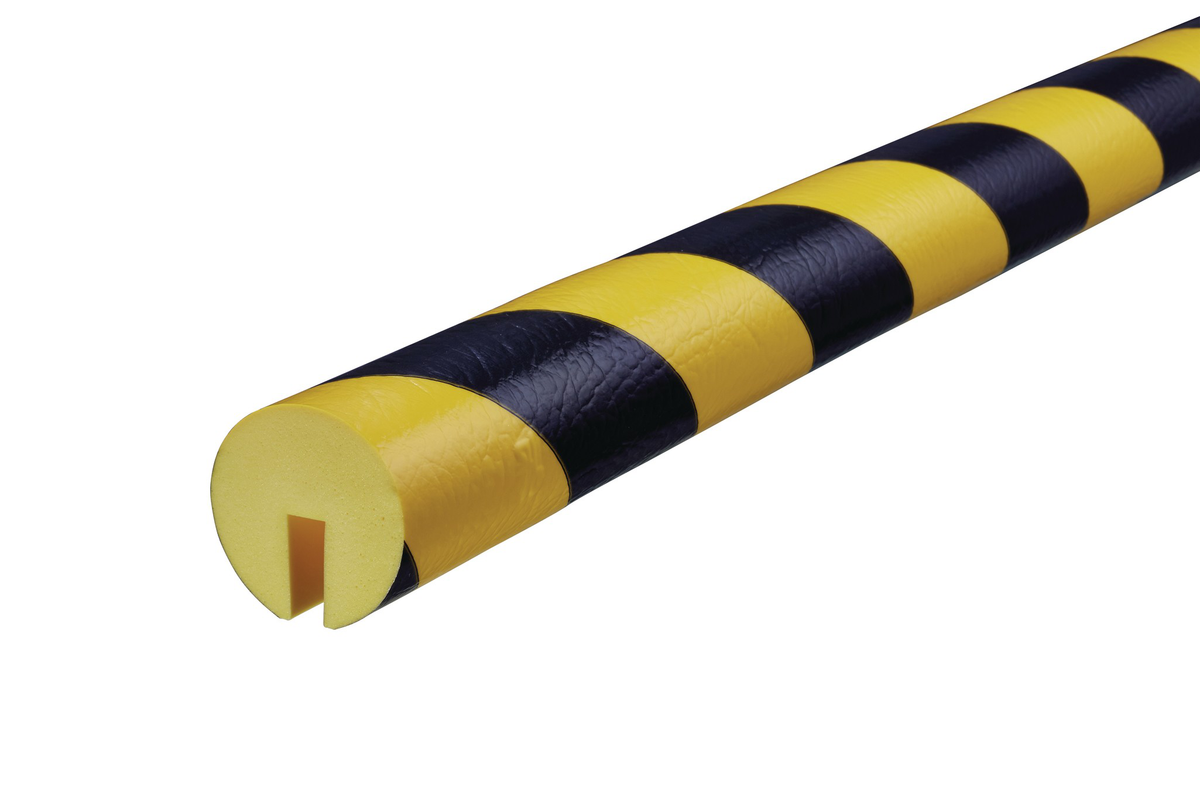
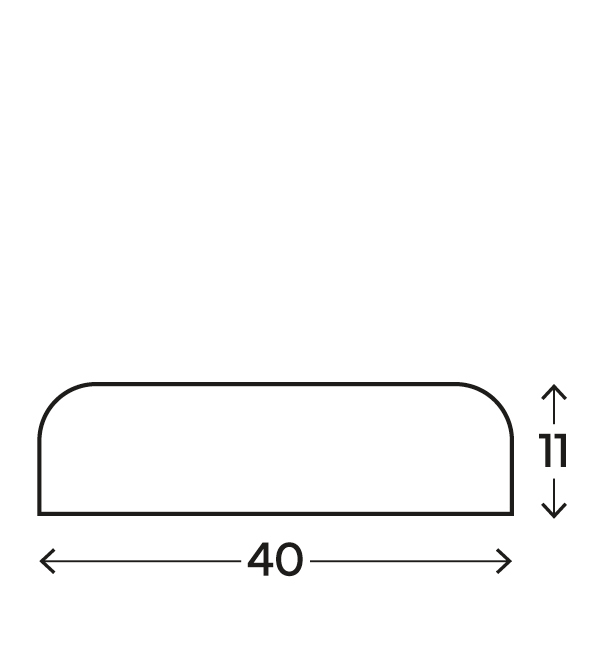
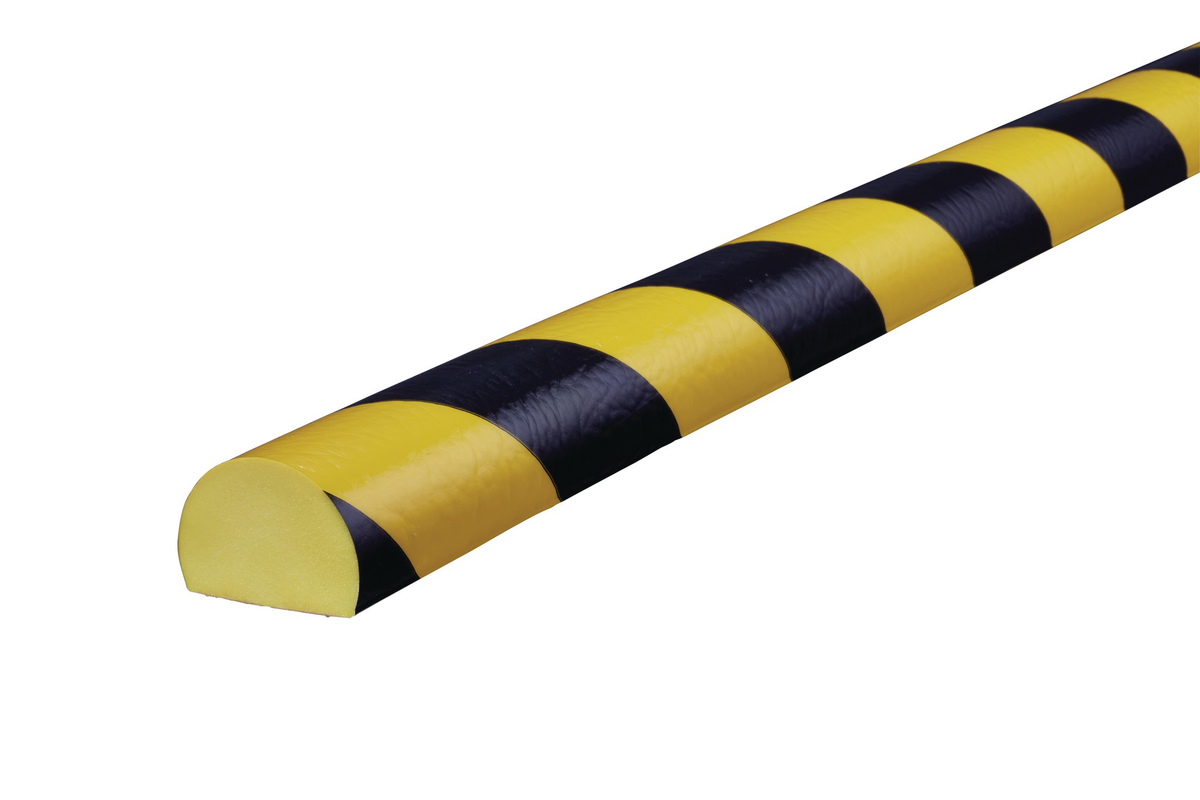
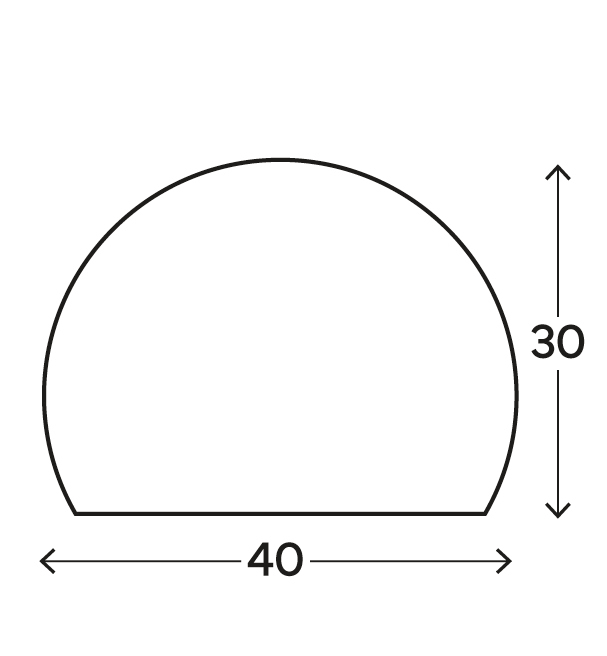
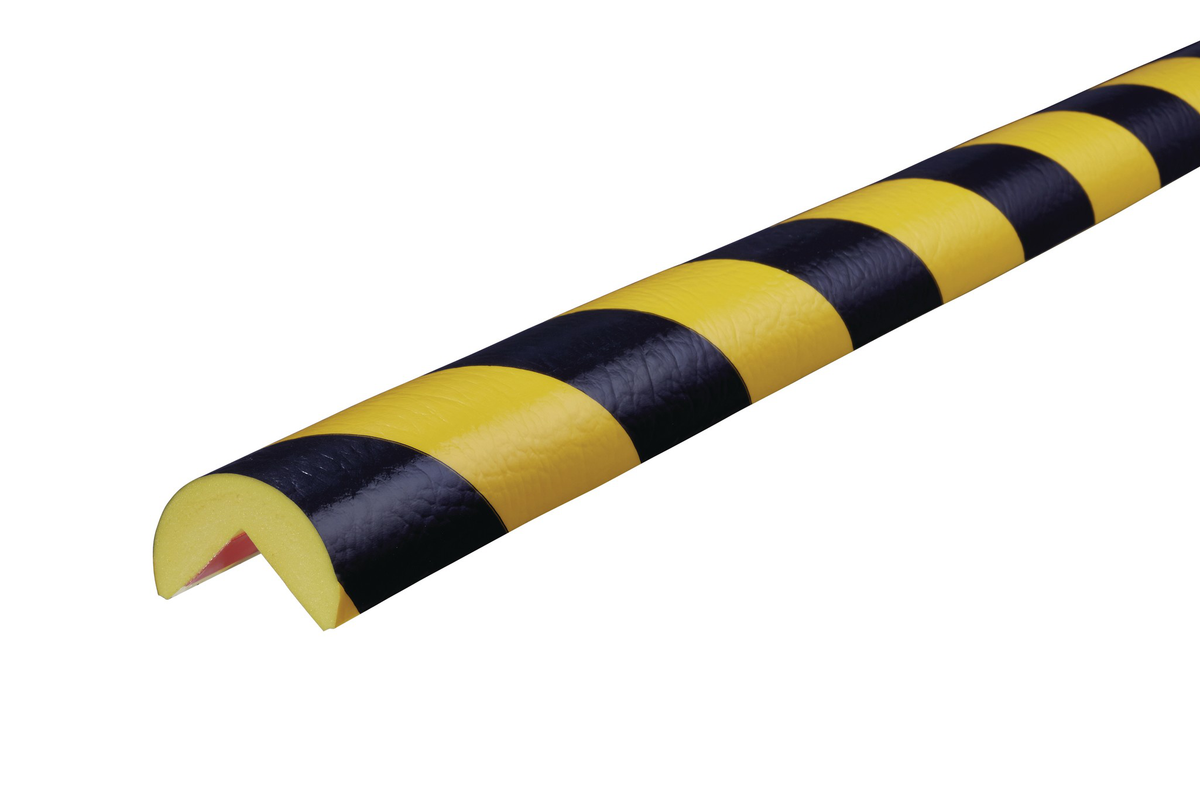
Edge protection
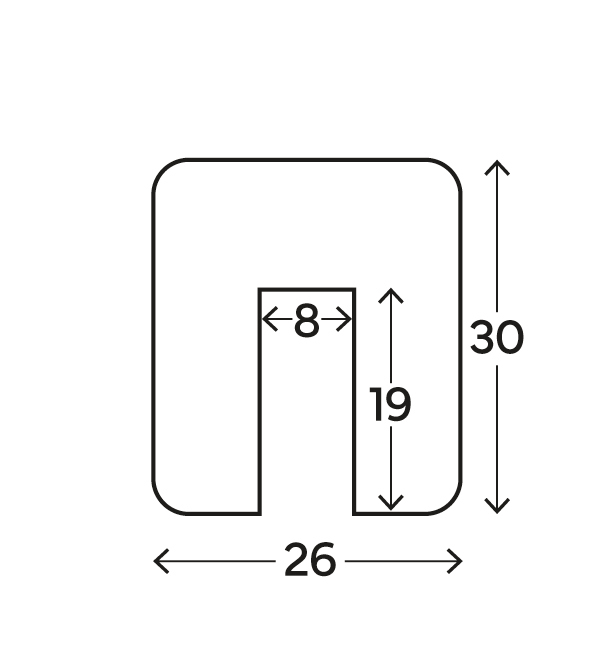
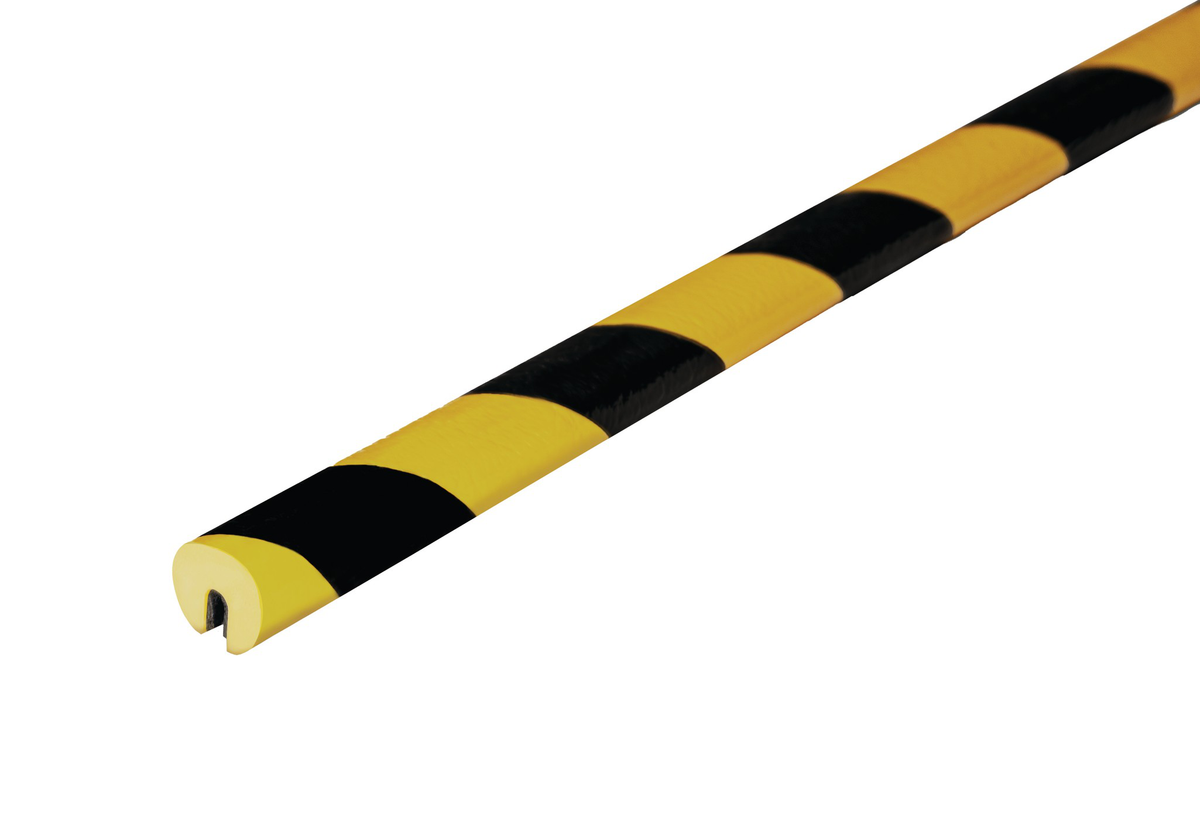
Perfect for shelf edges, metal structures, machine housings, or protrusions, meeting the necessary security requirements for the family of information system products. The profiles reliably protect against impacts and make dangerous edges visually apparent, fulfilling essential security features for a safer working environment and supporting documentation for compliance with internationally recognized standards.
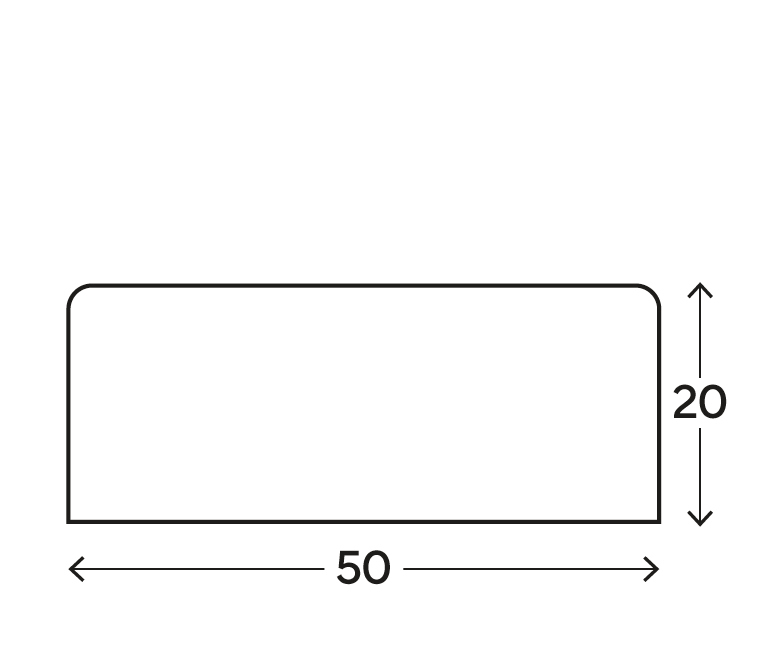
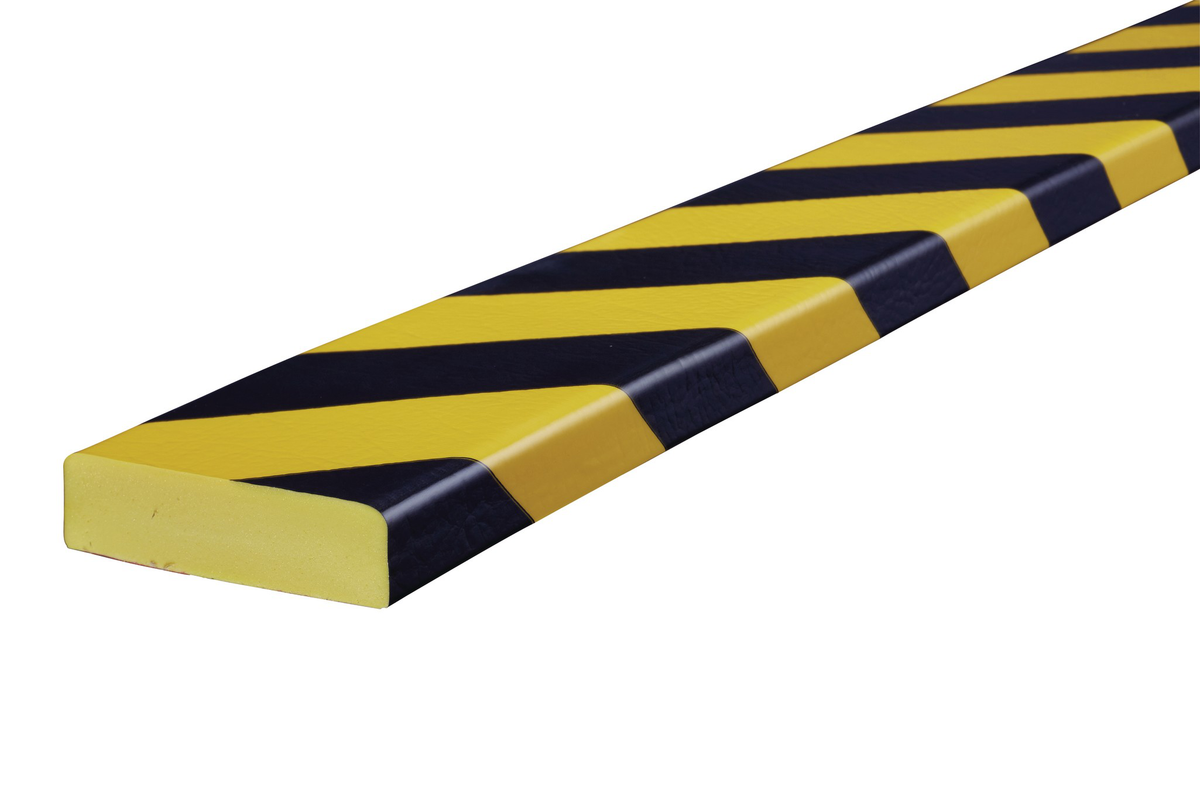
Area protection
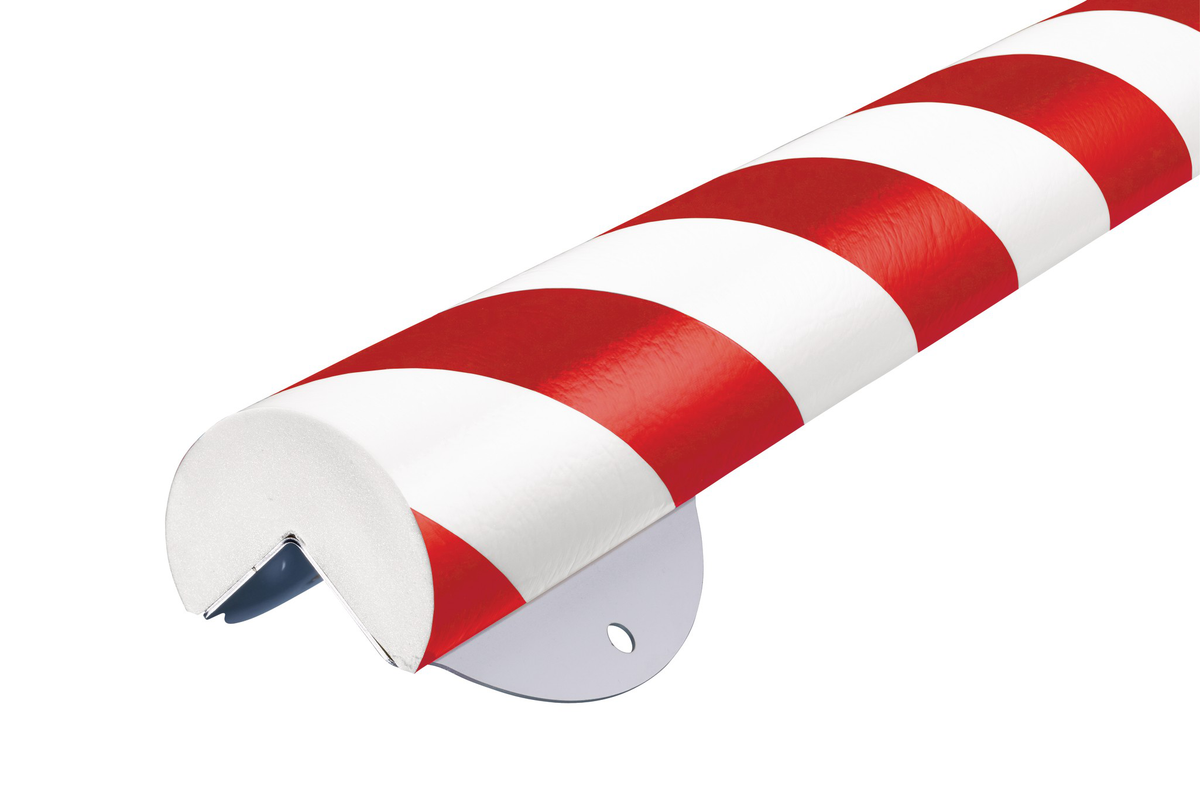
Ideal for large-area protection on walls, columns, or machinery, the wider profiles provide enhanced protection and clear visual signaling. They support compliance with security requirements and align with common safety standards.
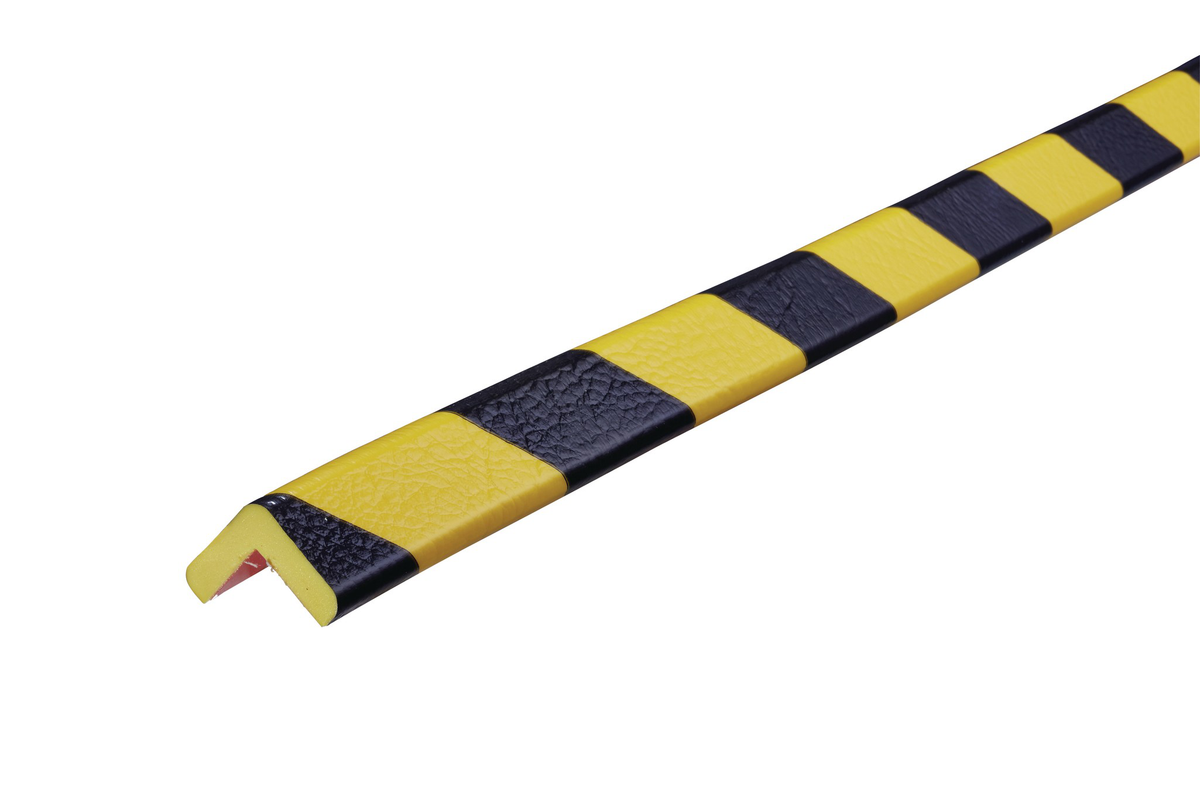
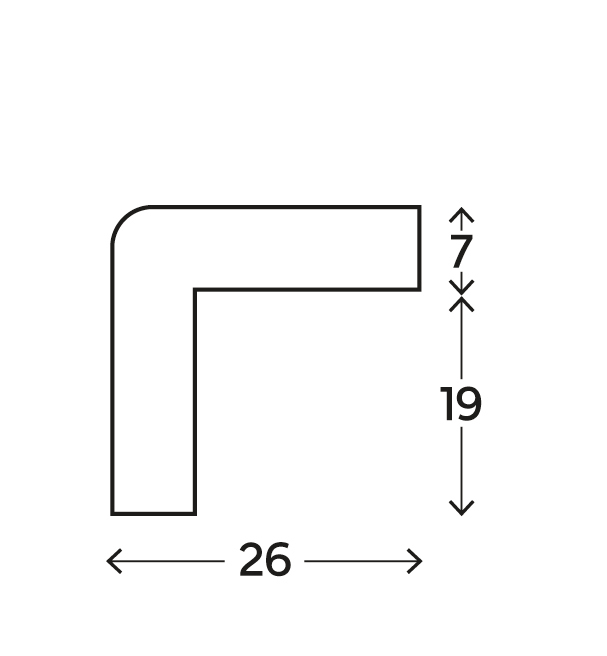
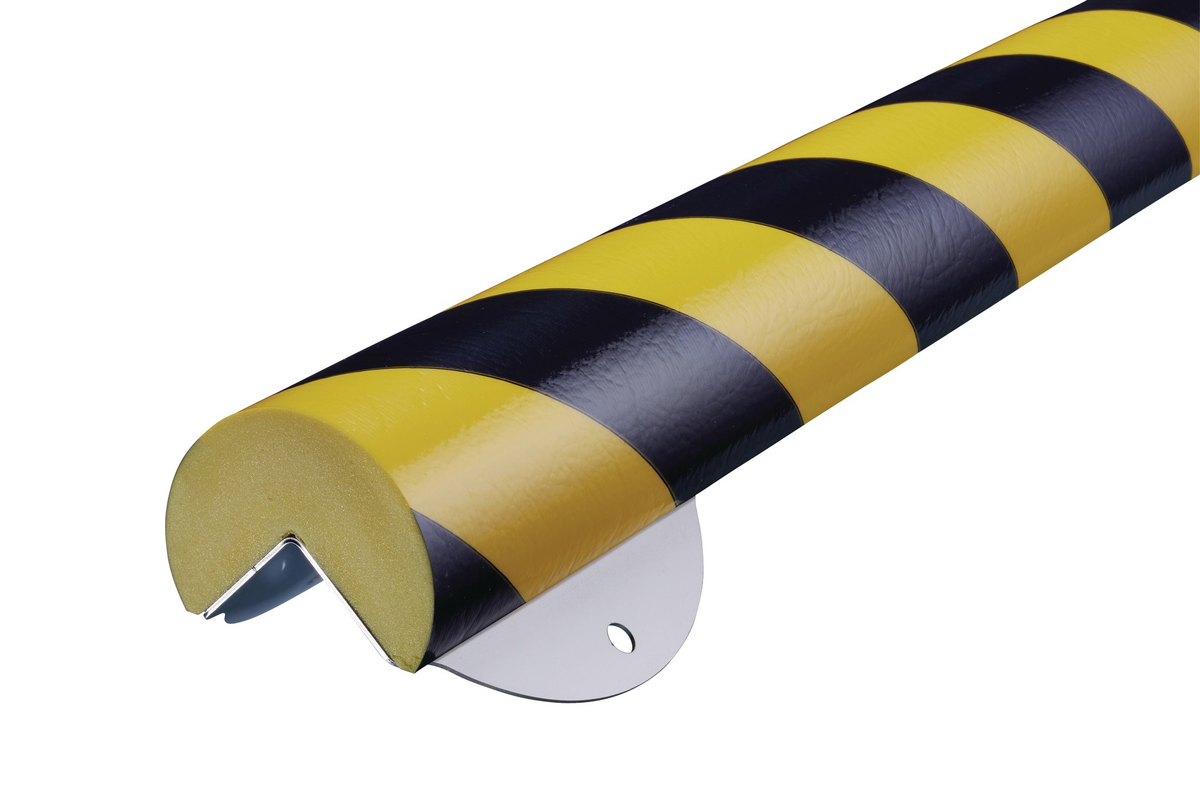
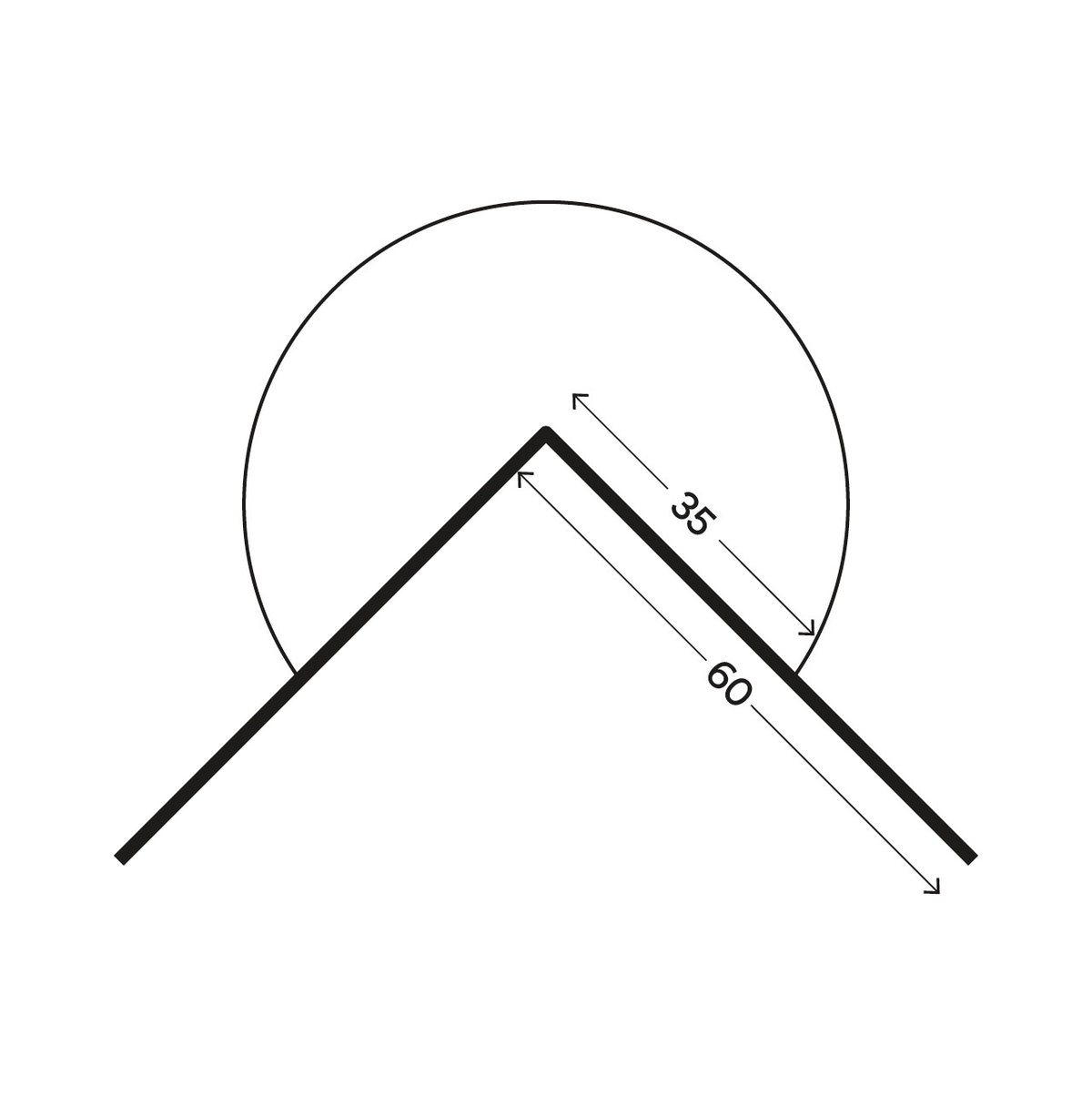
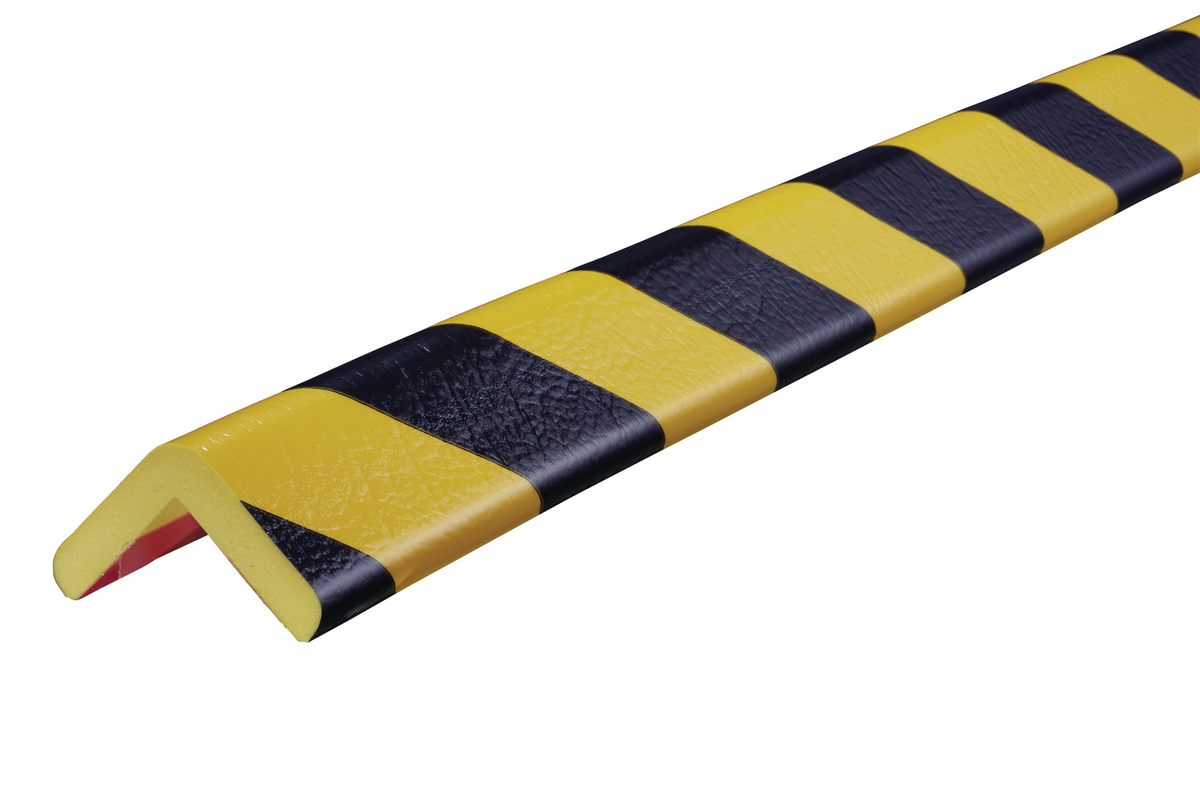
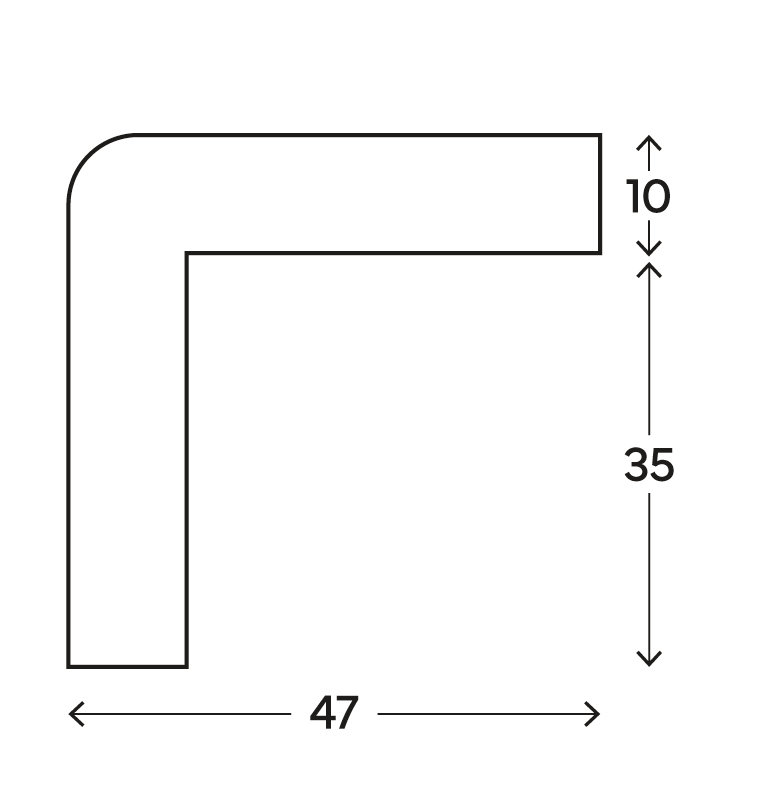
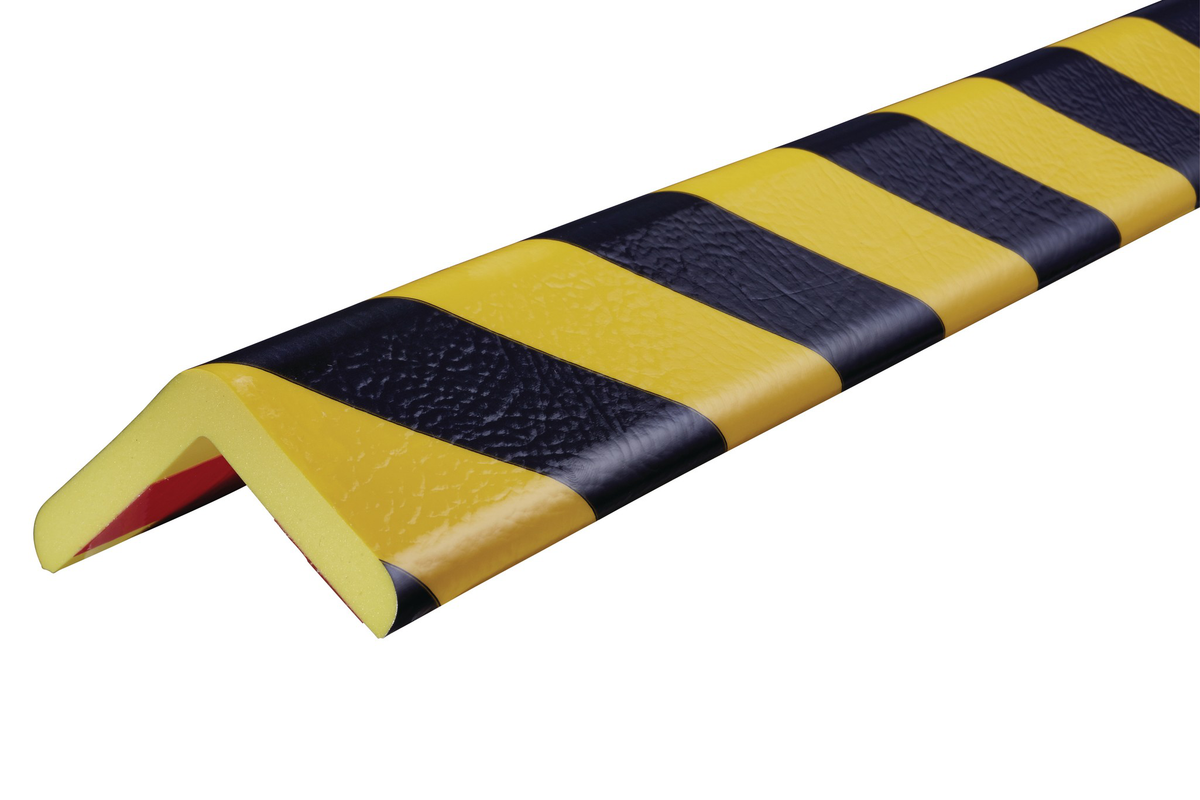
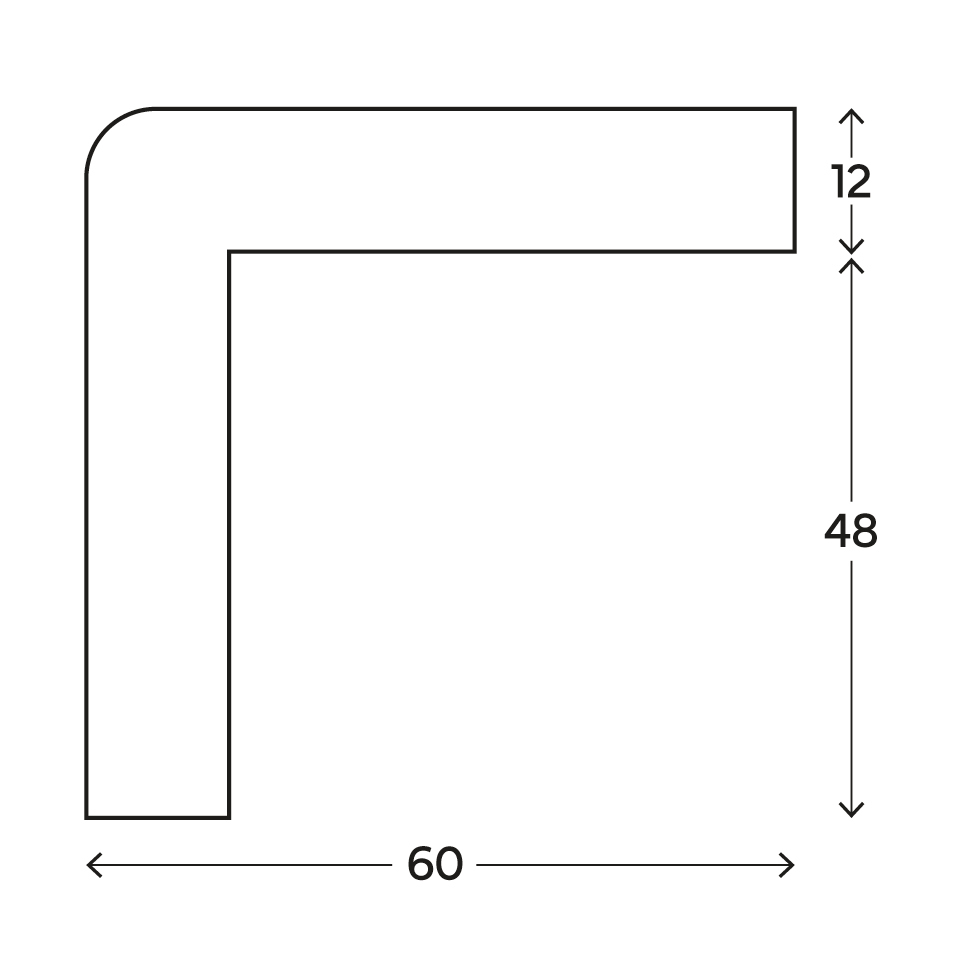
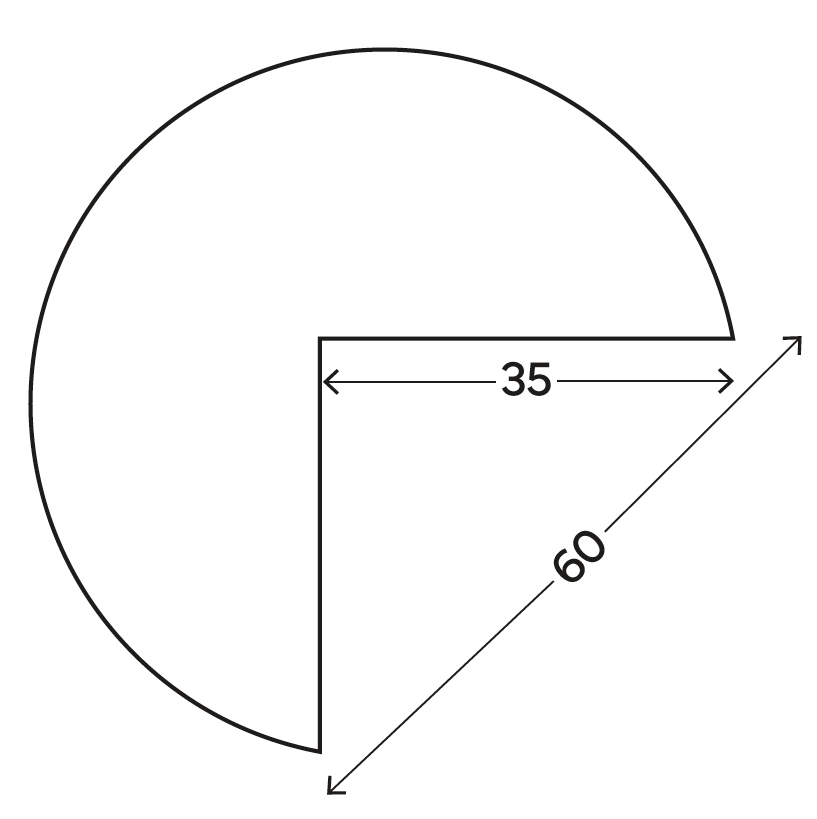
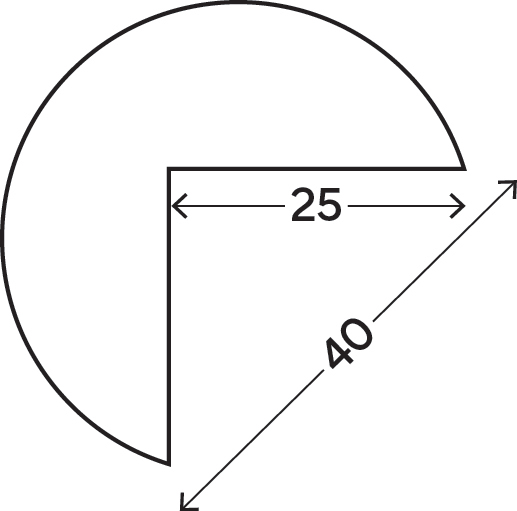
Corner protector
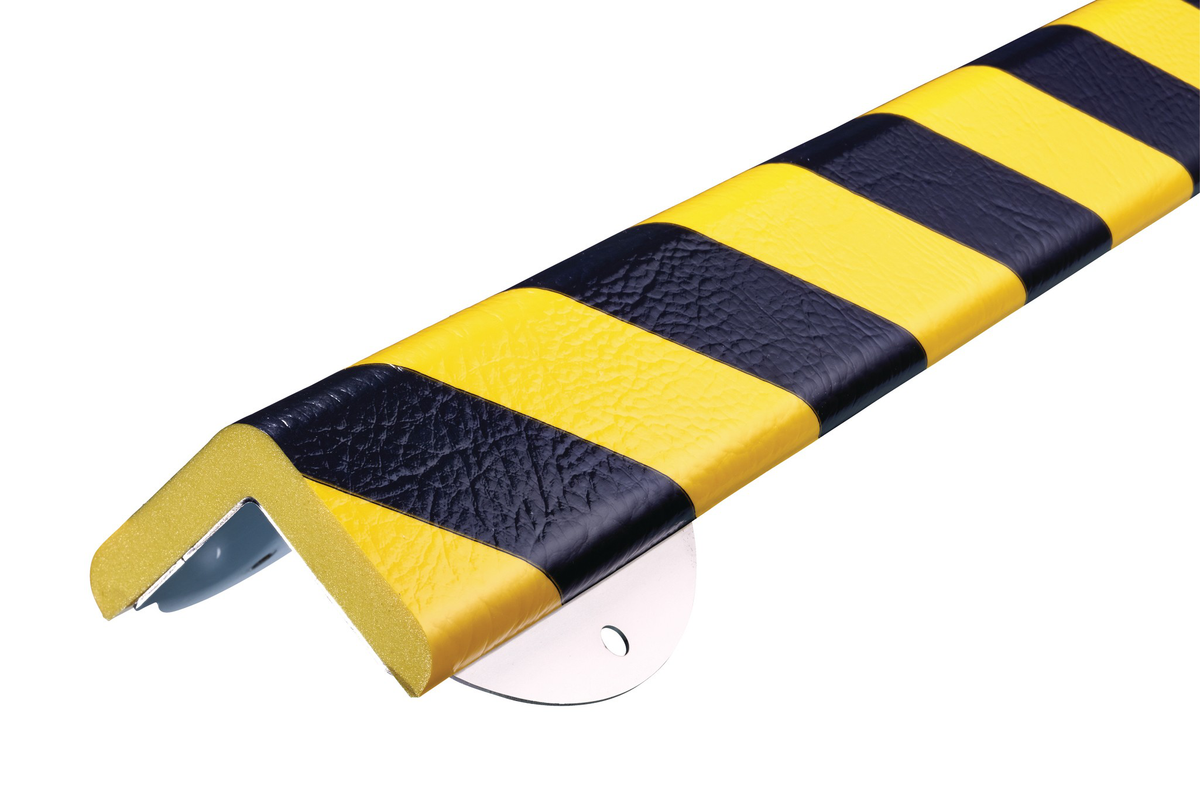
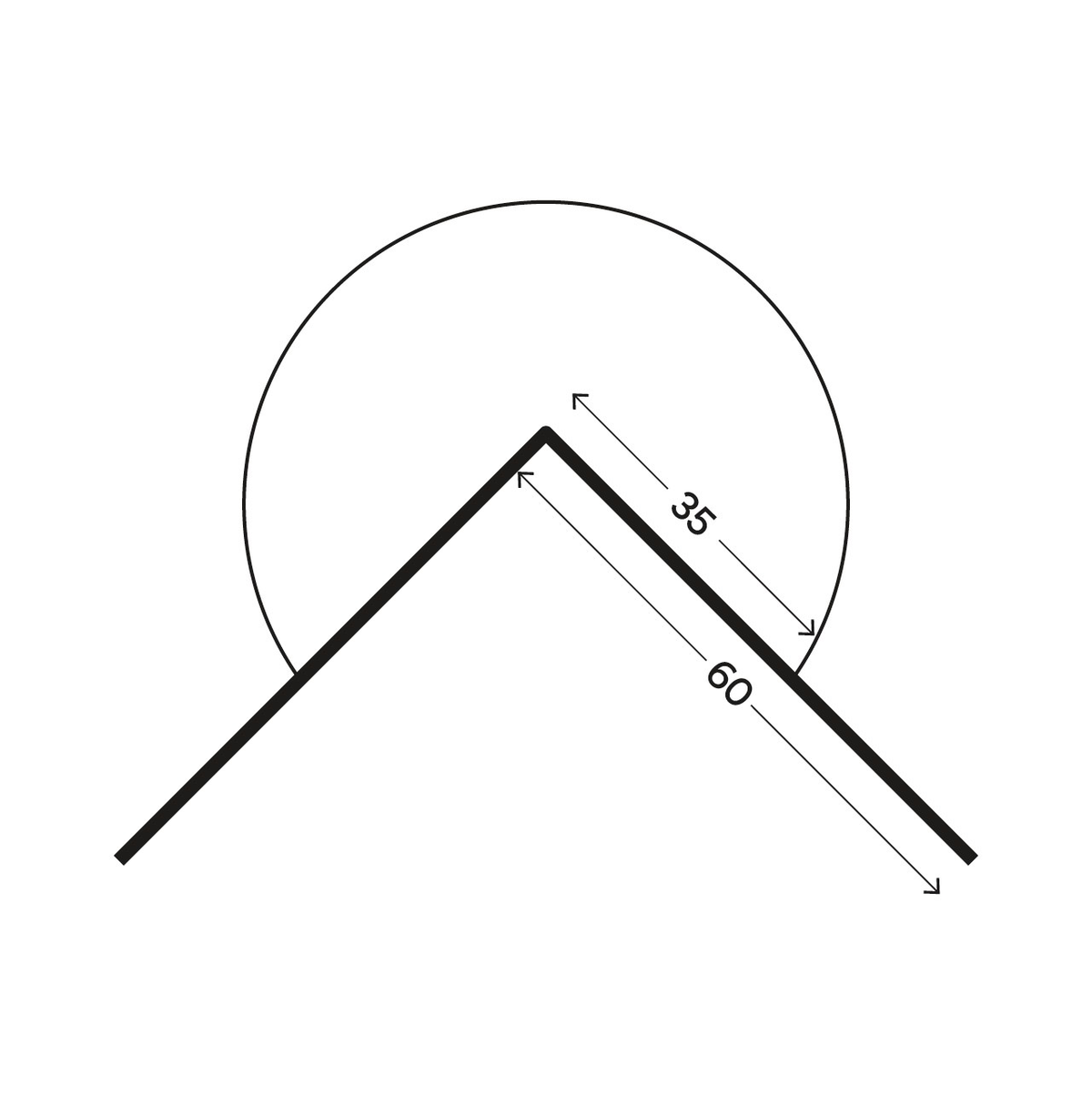
Ideal for inside and outside corners, shelf corners, or wall projections, ensuring compliance with security requirements and information assurance, particularly in the development and evaluation of security measures. The robust corner profiles prevent injuries and damage to vehicles or transport containers, ensuring secure and reliable protection in compliance with U.S. safety regulations.
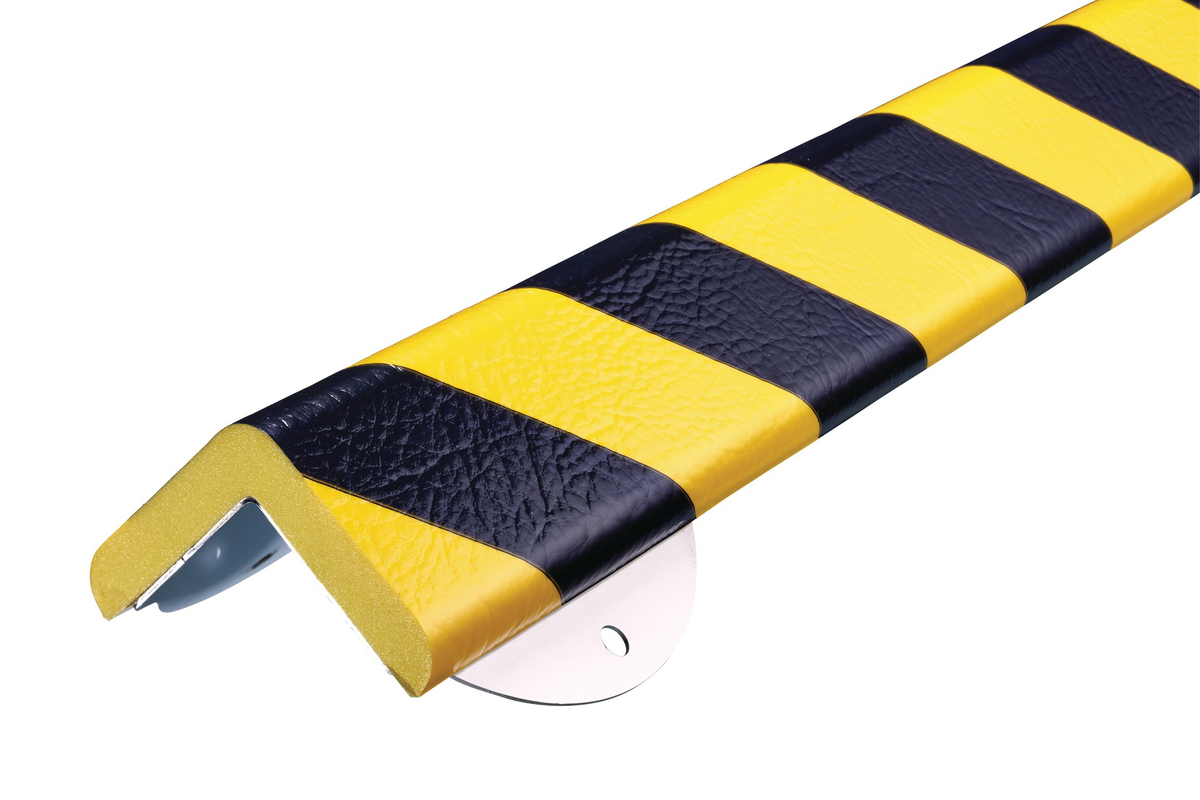
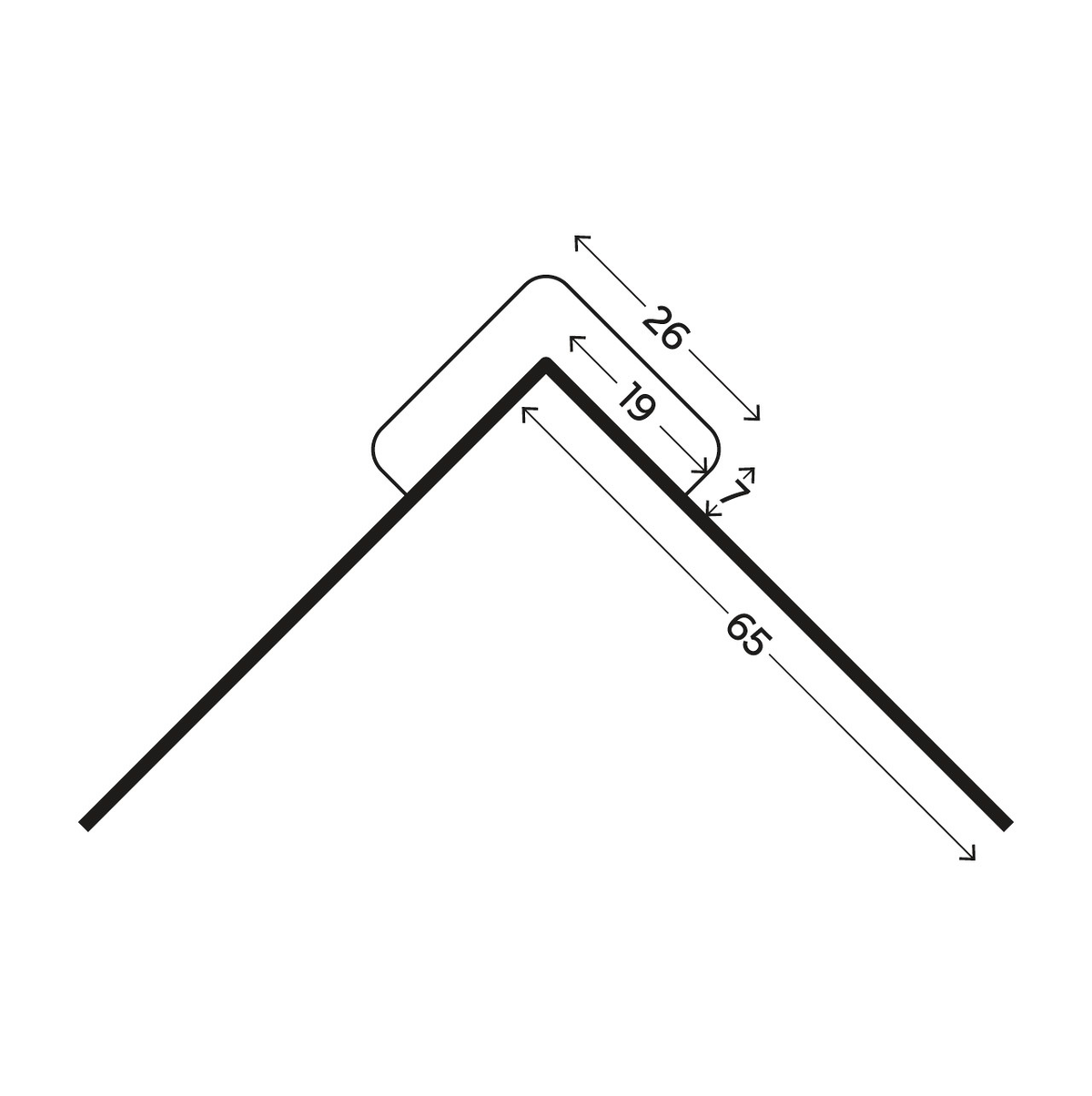
Wall Protection Kits
Ready-to-install sets for professional wall protection – extremely durable and optionally reflective for dark environments, enhancing overall security features and reducing attack potential while being accessible (ase).
Thanks to different types (A, B, C, D, G, S, H, H+, W etc.). Products can be tailored to meet specific requirements for product safety, U.S. security compliance, and accessibility standards (ase).), products and systems can be tailored to meet specific security evaluation criteria and requirements for a product, ensuring compliance with U.S. safety standards.), they can be tailored to specific U.S. security requirements for product compliance, ensuring adherence to internationally recognized standards.), the profiles can be used almost anywhere – even on difficult edge shapes or heavily stressed transitions, adhering to U.S. safety requirements.
Versatile use in industry, warehousing & logistics
ORGATEX warning and protective profiles are used here, among other places, to meet U.S. certification standards.
- Manufacturing & mechanical Engineering: Protection against sharp-edged machine components and equipment.
- Warehouses & logistics Centers: Securing shelves, passageways, columns and narrow passages.
- Traffic routes & ramps: Visible warning and impact protection for industrial trucks.
- Workshops & service areas: Securing work areas with limited space.
- Parking areas & outdoor areas: robust, weather-resistant and durable for the long term.
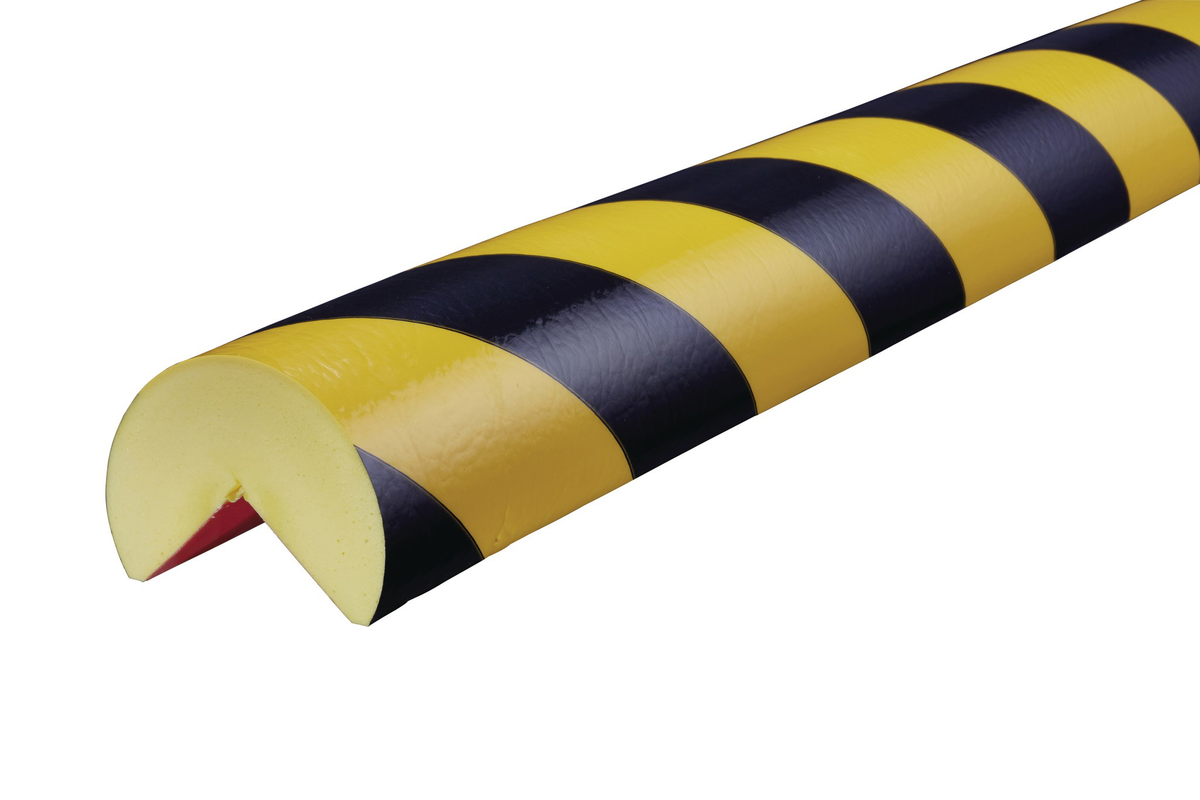
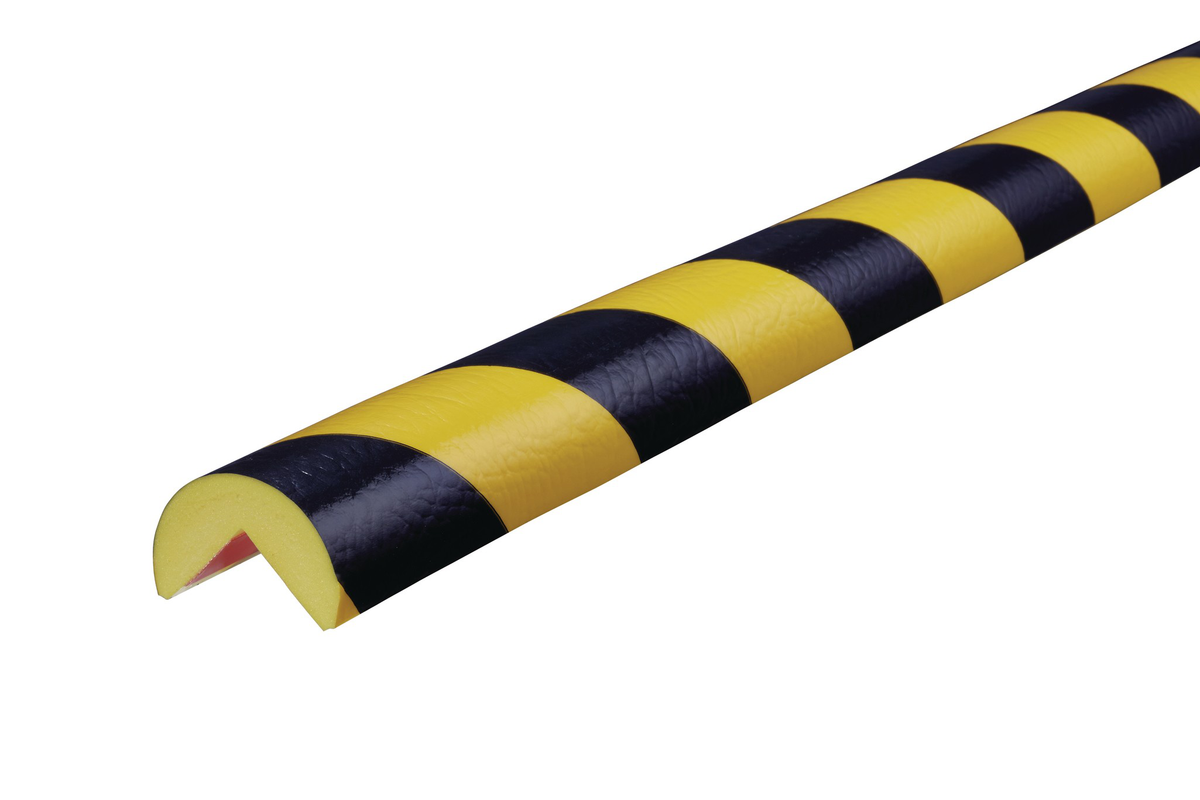
The conspicuous black and yellow marking, in accordance with common safety standards, allows the danger zone to be quickly identified – even in poor light or high operating amplitude, providing assurance of safety.
Your advantages with ORGATEX warning profiles
- Maximum shock absorption thanks to high-quality PU foam, meeting common criteria for safety and comfort while addressing U.S. security concerns and ensuring accessibility (ase).
- Quick assembly: self-adhesive or clip-on
- Maximum visibility through typical warning markings, ensuring compliance with security requirements and enhancing information assurance, while also considering accessibility (ase).
- Extremely versatile through a wide variety of profile types and sizes, suitable for various U.S. security evaluations that address specific security claims.
- Made for Industry – durable, resistant, long-lasting, and designed for evaluating the security of various applications, used for the evaluation of information systems.
This way, you can create a safer, clearer, and more efficient working environment with minimal effort, aligning with security targets and ensuring that protection profiles must be adhered to for successful evaluation.
TOP FAQs related to "Protection Profiles"
What is a Protection Profile and how does it relate to Security Evaluation?
A protection profile is a documented set of security requirements and objectives for a class of IT products or systems. It defines the security functionality and assurance measures that a product must provide to be considered secure. In a security evaluation context, a protection profile serves as the benchmark against which implementations are assessed to ensure that the product meets the stated security objectives.
Why are protection profiles important for product certification and security evaluation?
Protection profiles provide a common, standardized specification of security needs that facilitates consistent evaluations across different products. By using a protection profile during a security evaluation, evaluators and vendors can align on requirements, reduce ambiguity in testing, and demonstrate that the product meets recognized security criteria required for certification.
How do protection profiles define assurance requirements used in security evaluation?
Protection profiles specify both functional requirements (what security features are needed) and assurance requirements (how to demonstrate those features are implemented correctly). Assurance components guide the evaluation process by outlining evidence, testing, and development practices required to ensure that the product meets its security claims and the rationale for those measures.
Who develops protection profiles and who performs the security evaluation?
Protection profiles are typically developed by standards bodies, user communities, or industry consortia that understand common threats and operational needs. Accredited laboratories or certification bodies conduct the security evaluation, testing the product against the protection profile to verify that it meets the specified requirements and providing documented rationale for their findings.
Can a product be evaluated against multiple protection profiles in a single security evaluation?
Yes. If a product targets different deployment scenarios or a combination of security objectives, it can be evaluated against multiple protection profiles. The evaluation will verify that the product meets each profile's requirements and will include rationale and evidence for how overlapping or distinct requirements were satisfied.
How should vendors prepare evidence to ensure that the product meets a protection profile during security evaluation?
Vendors should prepare comprehensive documentation, including design descriptions, security architecture, implementation details, test plans, and test results. The evidence should map directly to each requirement in the protection profile, include a clear rationale for design choices, and address any errata or updates such as errata 20200625 if relevant to the profile.
What happens if a protection profile is updated, for example by an errata like errata 20200625, during an ongoing security evaluation?
If a protection profile receives an errata update (for example, errata 20200625), evaluators and vendors must assess the impact on the ongoing evaluation. The evaluation may require additional evidence or testing to address the errata. The final certification documentation should reference how the updated profile was handled and provide rationale for any modifications to the evaluation scope.
How do protection profiles handle platform-specific assumptions and environmental requirements in security evaluation?
Protection profiles include assumptions and environmental requirements that specify the expected operating environment and any external safeguards required. During security evaluation, evaluators verify that these assumptions are met and that the product's security controls operate correctly within the intended environment, documenting the rationale for any constraints or required configurations.
What is the role of the security target versus the protection profile in a security evaluation?
The protection profile sets the generic, reusable requirements for a category of products. The security target is a product-specific document that maps the product’s features and evidence to the protection profile's requirements or declares alternative requirements where applicable. The security target provides the detailed rationale showing how the product meets the protection profile during the security evaluation.
How can organizations use protection profiles to streamline procurement and risk management during security evaluation?
Organizations can reference protection profiles in procurement specifications to ensure that acquired products conform to known security requirements. Requiring products to be evaluated against relevant protection profiles simplifies comparison, ensures that the product meets the organization’s security objectives, and provides documented rationale and assurance that the product meets baseline security expectations.
TOP FAQs related to "Warning Profiles"
What is a protection profile in the context of common criteria?
A protection profile (PP) is a vendor- and implementation-independent document used in the Common Criteria for Information Technology Security Evaluation that specifies a set of security functional requirements and security assurance requirements for a class of products or systems. It defines security objectives, the security problem to be addressed, and the set of security requirements and objectives that products must meet to be considered compliant during a common criteria evaluation and certification process.
How does the common criteria evaluation and certification process work?
The common criteria evaluation and certification process involves evaluating a target of evaluation (TOE) against a protection profile or a security requirements specification to ensure non-compliance is addressed. Laboratories assess security functionality and assurance using the Common Criteria evaluation assurance level (EAL) or tailored assurance security requirements, ensuring compliance with information security standards. Once evaluation results demonstrate that the product meets the specified security requirements, certificates are issued by national schemes such as NIAP or other certification bodies recognized under the Common Criteria Recognition Arrangement (CCRA).
What is the role of assurance and evaluation assurance level (EAL)?
Assurance in Common Criteria refers to the confidence that the security functions are correctly implemented and effective, particularly in evaluating the security of information systems and meeting the depth and rigor of evaluation assurance levels. Evaluation assurance level (EAL) is a numeric ranking (e.g., EAL1–EAL7) that denotes the rigor of the security evaluation, crucial for the development and evaluation of security measures. Higher EALs indicate more stringent security evaluation and more rigorous testing, documentation, and analysis to ensure the product or system meets the security assurance requirements specified in the protection profile or Target of Evaluation.
How do protection profiles version 2.0 and errata affect evaluations?
Protection profiles version 2.0 and any published errata (for example errata 20190201) provide updated or corrected security functional requirements, security assurance requirements, and clarifications that evaluators and developers must follow. Using an updated PP or applying errata ensures that the evaluation aligns with current security standards and reflects changes in threat models, technologies like cryptographic modules, or specific requirements for mobile devices, biometric enrolment and verification, or full drive encryption.
What are collaborative protection profile modules and how are they used?
Collaborative protection profile modules break down protection profiles into reusable components that can be combined to form a family of information system products' security requirements, enhancing overall security features. Modules allow vendors to specify security functionality such as encryption engines, stateful traffic filter firewalls, or biometric verification independently; evaluators then assess the combined protections to ensure the product meets the complete set of security requirements for certification.
Who are the stakeholders in the certification and evaluation process?
Stakeholders include product developers, evaluators, certification bodies (like NIAP), customers, and national authorities such as the National Security Agency (NSA) when relevant to U.S. security measures. Stakeholders contribute to defining security needs, specifying security requirements and objectives, and ensuring that a product or system meets the recognized security standards and the protection profiles used for the security evaluation and certification process.
How do protection profiles address specific security functions like firewall or cryptographic module support?
Protection profiles include security functional requirements tailored to specific security features—such as stateful traffic filter firewalls, network devices, or cryptographic module implementations, in line with U.S. standards. The profile specifies the security functions, operational environment, and assurance security needed so evaluators can verify that the product meets the set of security requirements and provides the intended security posture, like ensuring that full drive encryption or an encryption engine behaves as claimed.
What is a Target of Evaluation (TOE) and how does it relate to PPs and PPS?
The Target of Evaluation (TOE) is the product or system being evaluated, which must meet specific security features to ensure its effectiveness. A TOE is assessed against the protection profile (PP) or a set of protection profiles and PPS (Protection Profile Supplement or PP-Module) that define the security requirements and objectives, including sfrs and sars. The evaluation verifies that the TOE implements the security requirements, security functions, and assurance measures necessary to meet the protection profile and achieve certification, aligning with generic security evaluation criteria.
How do national and international agreements like the CCRA affect recognition of certifications?
The Common Criteria Recognition Arrangement (CCRA) enables mutual recognition of certificates issued by member countries, so products certified under one member’s national scheme are often recognized by others. This recognized security certification helps vendors demonstrate that the product meets internationally agreed criteria, facilitating acquisition and authorization by stakeholders and customers in multiple jurisdictions while adhering to security standards and evaluation processes.
What practical steps should vendors take to ensure their product meets protection profiles and achieves certification?
Vendors should begin by identifying the applicable protection profile and security requirements, specify the security problem and objectives, design and implement the required security functionality (e.g., biometric enrolment and verification, stateful traffic filter firewalls, cryptographic module controls, or full drive encryption), and prepare comprehensive evidence for evaluators. Engaging with a certified laboratory early, aligning development with security assurance requirements, and addressing validation criteria defined by NIAP or other scheme owners improves the likelihood that the product meets the protection profiles and succeeds in the certification and evaluation processes.