
Safety and information signs
Choose your sign type

Safety and information signs – Page 4
73 products
Showing 73 - 73 of 73 products
ORGATEX information signs: Designed for maximum visibility and durability
Safety signs are used in areas where chemicals or other hazardous materials are used. They also indicate escape routes and firefighting equipment, ensuring compliance with OSHA regulations. Prohibitions and requirements are also communicated through appropriate prohibition and requirement signs, tagged for easy understanding.
ORAGATEX safety signs offer the ideal solution for this. They are made of durable plastic and feature clear text and color that are easy to read and recognize, even from a distance, making them compliant with safety standards. Whether you need detailed pipe markings or signs that indicate potential hazards, we offer the right selection for your specific needs.
What are information signs and safety signs?
Information signs are special signs that provide important information and instructions to security in the workplace. They comply with the applicable DIN EN ISO 7010 standard and are essential for employee health protection and occupational safety in industry and production.
Our signs are made of durable plastic and feature clear symbols and pictograms that give your employees immediate warning of potential hazards, in line with safety specifications. The correct signage plays a crucial role in the identification of emergency and safety equipment. In short, it is an essential element of a compliant workplace safety strategy.
Safety signage in the company according to DIN EN ISO 7010
By law, the safety signs in a company must comply with the applicable standard. DIN EN ISO 7010 was established over 10 years ago by the European Committee for Standardization as a standard for safety signs, colors, and symbols. All European countries adapted to this standard and withdrew their previously used standards. In Germany, DIN 4844-2 was used for the design of safety signs until then, which was then replaced.
An old sign to DIN 4844 2 can still be used today. If your company still has signs from this "old" standard, you don't have to remove them immediately, but consider updating them to meet current specifications. However, a problem could arise if an accident or fire actually occurs in your company. You would then have to prove that the signage complies with the current requirements of the applicable ANSI standard. We therefore recommend that you replace the safety signage.
At ORGATEX you will find rescue signs, prohibition signs, mandatory signs, warning signs and fire protection signs that comply with the internationally applicable DIN EN ISO 7010. So you do not have to worry about whether the signage the shape, colour or design of the symbols complies with the legal requirements and you are therefore up to date with the latest safety regulations.
Meaning of warning signs and symbols
Whether it is about the labeling of protective equipment or clearly defined Safety signs that guide behavior in the workplace - ORGATEX has solutions for you that make your company safer:
- Information signs
- Rescue signs
- Prohibition signs
- Mandatory signs
- Warning signs
- Symbols for hazardous substances
- Parking signs are essential for traffic control in workplace environments and should be tagged for easy identification.
- Signs for the floor
ORGATEX is your expert for safety signs. We provide products that meet the need for concise and easily understandable communication in the workplace and comply with applicable standards. Our products contribute to safety and clear labeling in your company. One example is the attachment of luminescent markings and Zebra crossing.
Our signs contain clear symbols and pictograms that help employees move safely in all areas – from vehicle traffic to specific occupational health and safety requirements in your facility. With us, you have the right partner at your side to ensure that your employees' safety in the workplace is always guaranteed.
Red fire safety signs
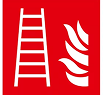
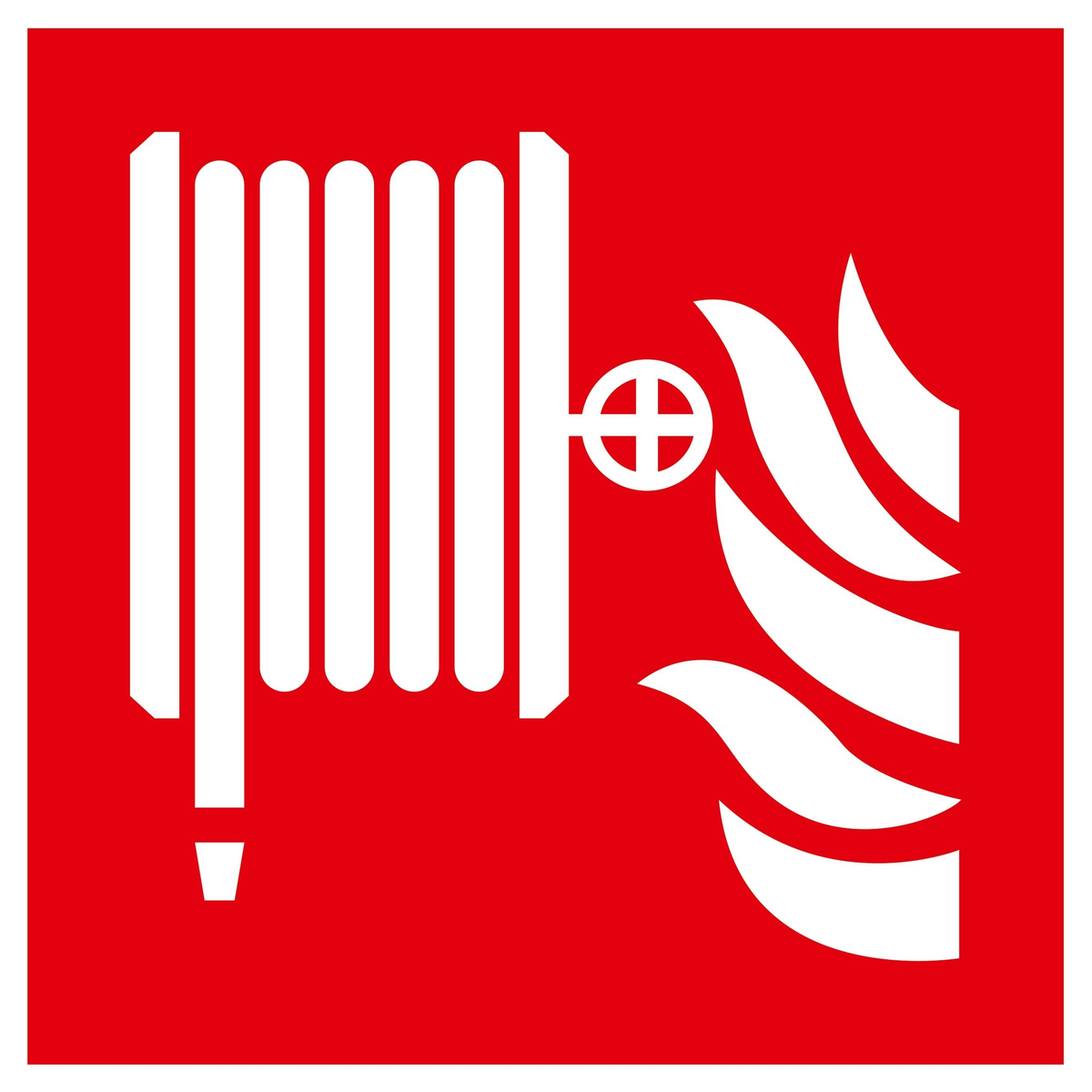
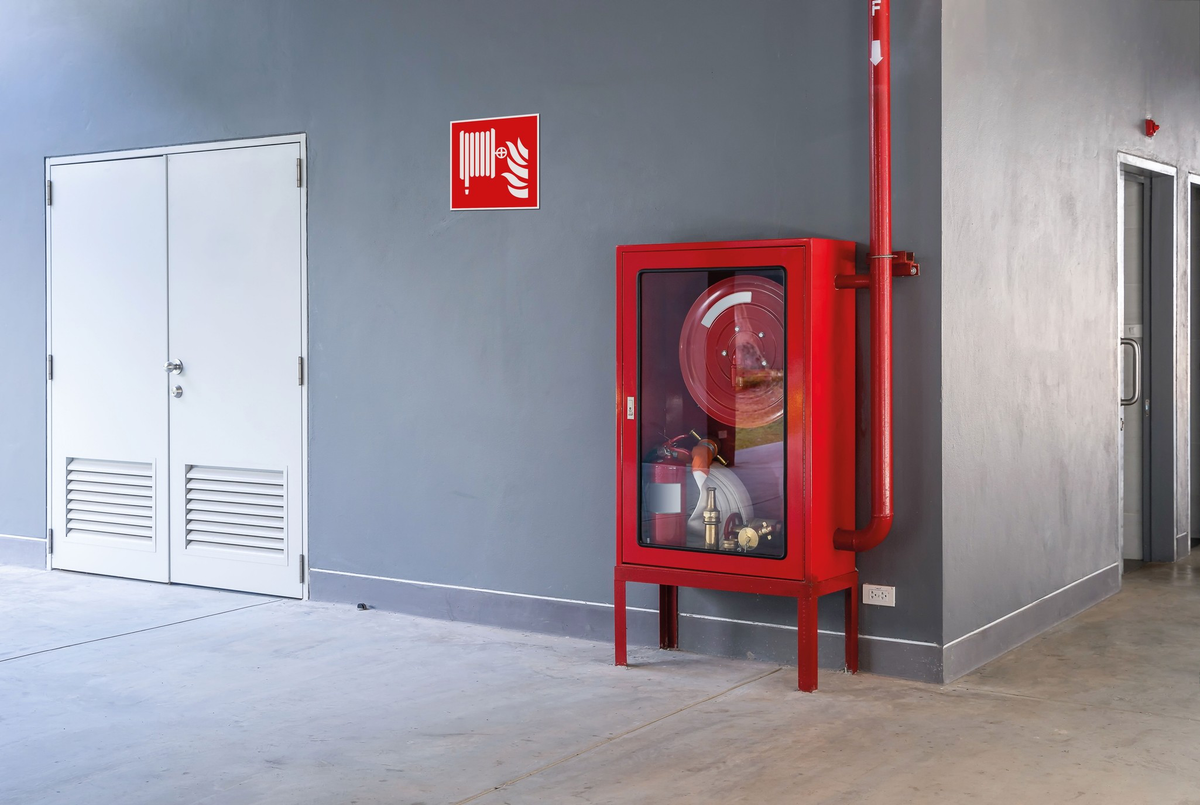
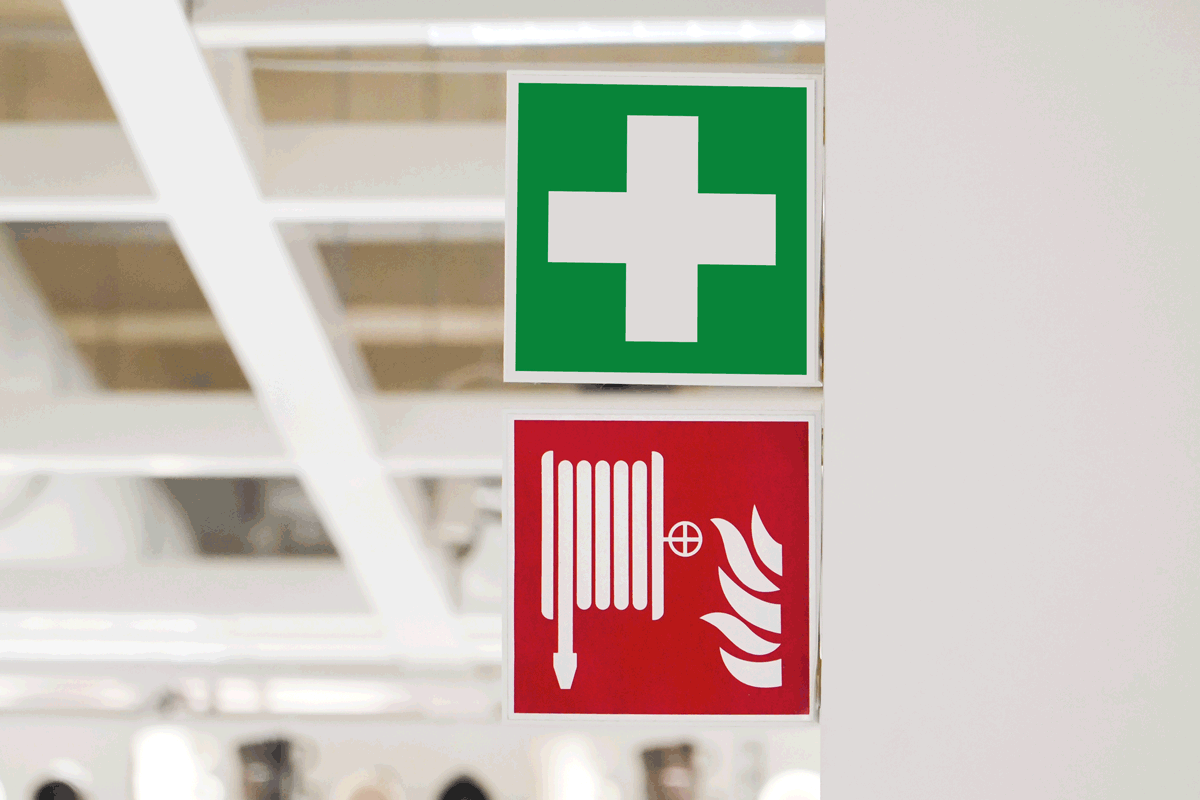
Fire safety signs are red with white symbols. They indicate areas where fire alarms and fire extinguishing equipment, such as fire extinguishers, fire hoses, or fire escapes, are located according to safety specifications. Emergency Fires can be fought quickly.
According to ASR A1.3, fire safety signs must be visible even in the dark to ensure compliance with workplace safety regulations. This means that the safety symbols and images must be visible even without lighting. ORGATEX In the corresponding category you will find luminescent fire protection signs, which can be seen in the dark thanks to a special coating.
Green rescue signs
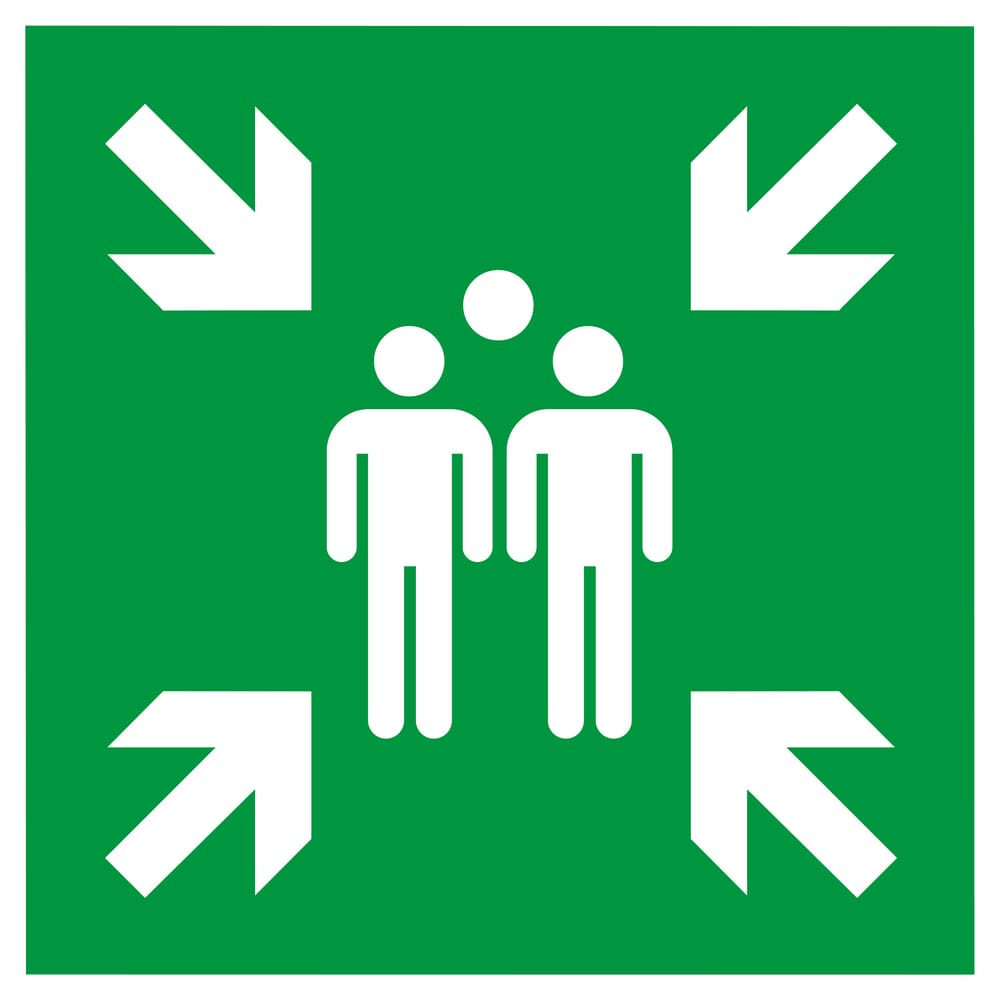
The green rescue signs with a white image indicate escape and rescue routes, emergency exits, and are designed according to safety specifications. This type of sign also indicates first aid facilities, emergency showers, and emergency telephones. Rescue signs must also be luminous and therefore visible even in the dark.
We offer not only luminescent escape signs and a wide range of custom signs, but also robust floor marking signs that meet safety specifications for enhanced compliance. This version also complies with the current regulations according to ASR A1.3 and includes updated specifications.
Yellow warning signs
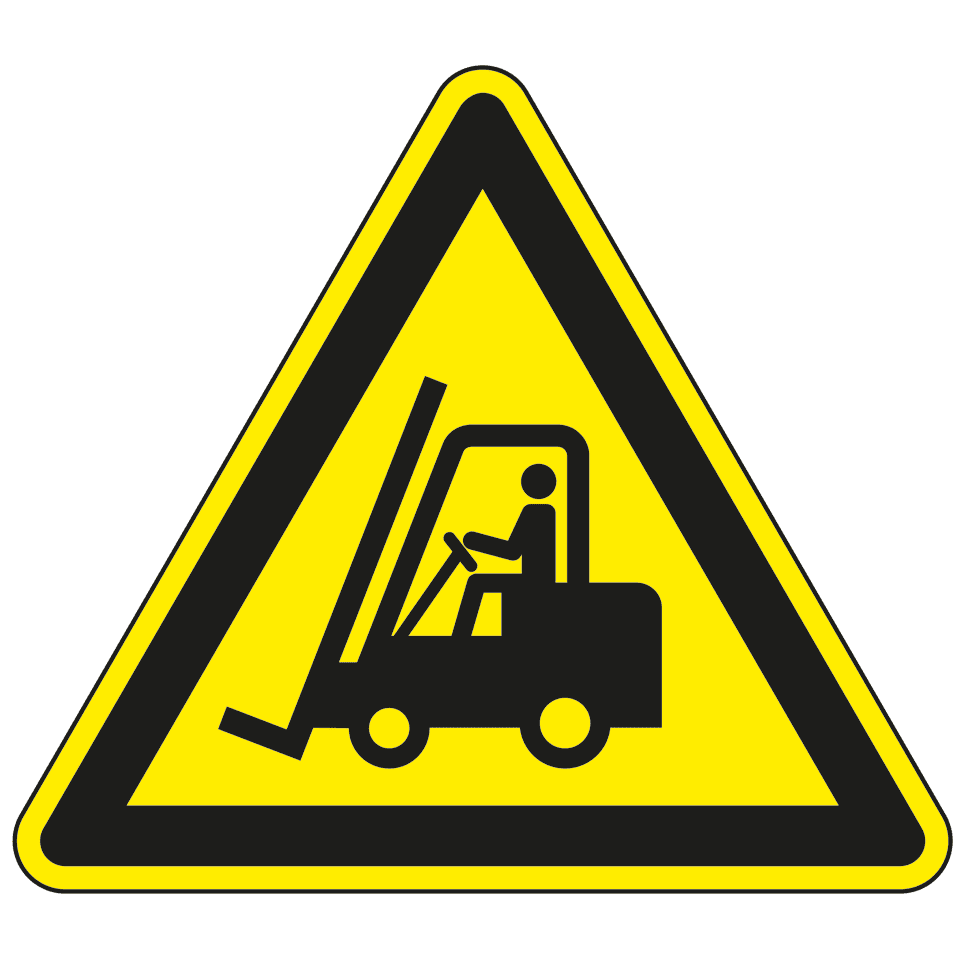
Warning signs are yellow with a black pictogram. They warn of hazards in specific work areas and, through their design and size, increase employee awareness, following the necessary specifications. Possible hazards include chemicals, laser beams, electricity, explosive or biological substances, heights, suspended loads, industrial trucks, and high or low temperatures, all of which must be addressed for workplace safety.
They can also be used as a floor sign to keep a doorway clear and Danger areas to visually demarcate.
Red and white prohibition signs
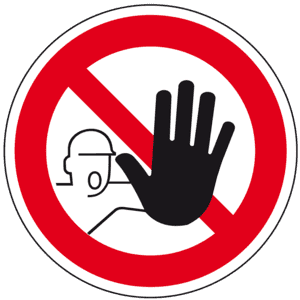
Prohibition signs they serve occupational safety purposes and indicate which actions may not be performed or which objects may not be used. The pictograms depict cigarettes, mobile phones, dogs, or food.
Floor signs are particularly useful when you want to prevent the placement of loads in a specific area or deny access, thus enhancing traffic control according to safety specifications. Of course, our prohibition signs also comply with ASR a1.3.
Blue mandatory signs
Mandatory signs are blue and have a white pictogram. The meaning of mandatory signs is to wear safety equipment, such as hearing protection or safety clothing. Our mandatory signs for occupational safety are also available as floor signs, which are particularly eye-catching due to their size.
Information signs
Information signs are white or yellow. They do not carry symbols they do not display specific text, such as a request to close a door or keep an exit clear. They can also function as prohibition signs, for example, prohibiting the use of a passageway.
How to choose information and safety signs
Selecting the right signs for your business is an important part of ensuring occupational safety and accident prevention. First, you should analyze the potential hazards in your company to understand what type of warning signs are needed.
What type of safety sign do you need? Do you need combination signs that combine several symbols and instructions, or specific warning signs that indicate specific risks? The category of signage, whether prohibition, requirement, warning, or information, should be tailored to the specific situation at hand. Finally, occupational health and safety also plays an important role in ensuring the occupational safety of your employees.
Installation of information signs and safety signs
The installation and maintenance of safety signs is an important step in your company's occupational health and safety. Signs, including mandatory signs, escape signs, and other safety signs, are easy to install and require minimal maintenance. You'll find the right foam adhesive for secure installation on our website.
Nevertheless, it's important to check the signs regularly to ensure they're always clearly visible, legible, and meet the required specifications. Remember that every sign plays a significant role in the overall context of occupational health and safety and should therefore be given due attention. With safety signs from ORGATEX, you can ensure that the safety standards for protecting your employees in your company are compliant with OSHA regulations and tagged for clarity.
Instructions for mounting on walls and floors
After the safety signs have been delivered, a precise location for each sign should be determined. Labeling Identification of potential risks and emergency areas is a top priority. Each mandatory or prohibition sign must be placed in a clearly visible location that complies with applicable occupational health and safety standards and regulations.
Consider the importance of each sign for the specific area and ensure that all signs are correctly aligned to meet the specifications. This will ensure the highest level of occupational safety and compliance with OSHA guidelines, with all signs properly tagged.
ORGATEX: Service tailored to your needs
Are you unsure which safety signs, mandatory signs, or safety symbols you need for occupational safety in your company according to the specifications? We're happy to help and advise you on the correct labeling using our custom signs and symbols for compliance with ANSI standards and specifications. Each sign complies with ASR a1.3 and thus the applicable standards, ensuring all specifications are met. Give us a call!
If you are interested in topics such as digital intralogistics, visual management or material flow you will find a wide selection of high-quality products on our site, designed for effectiveness and efficiency, such as Stair nosing profiles or floor markings. Please let us know what specific requirements you have for our products – we'll be happy to help.
TOP FAQs related to "Safety Signs"
Design: How should safety signs be designed to communicate safety effectively?
Effective safety sign design uses clear symbols, concise messages, high-contrast colors, and standardized layouts so they can quickly communicate safety information. Use durable materials for outdoor or harsh environments, include pictograms commonly used in the Globally Harmonized System (GHS) or ANSI/ISO templates, and ensure font size and arrow or graphic elements are visible from the required viewing distance. Custom safety signs may be created when standardized templates don’t fit, but they should still follow classification, color, and symbol standards to inform and protect workers and the public.
Hazard: What hazard classifications should appear on safety signs?
Safety signs should reflect the appropriate hazard classification such as biological (biohazard), radiation, electrical, chemical, or physical hazards. Use symbols used in OSHA, Z535, or GHS standards to standardize messages. Include signal words like “Danger,” “Warning,” or “Caution” and concise instructions or restrictions (for example, restricted area or no entry) to communicate the level of risk and required protective actions.
Workplace compliance: How do safety signs help with OSHA and Z535 compliance?
Safety signs help meet OSHA requirements by providing hazard communication at the point of risk and supporting training and permits (hot work, confined space). Following ANSI Z535 (U.S.) or other recognized standards ensures signs include required formatting, symbols, and signal words. Proper placement, durable materials, and regular inspection demonstrate compliance and reduce liability by showing management has taken steps to inform employees of hazards and required protective equipment.
Safety products: Which safety products and materials are best for long-term usage of safety signs?
Select safety products made from durable materials such as aluminum, rigid plastic, or laminated vinyl for longevity, especially for outdoor or high-abrasion areas. Reflective sheeting, UV-resistant inks, and weatherproof coatings extend life and meet industry specifications for durability. For temporary work zone or traffic control, use portable barricades, temporary barrier signs, and high-visibility templates that meet the required specifications and tags. Consider custom safety products when specific messages or sizes are needed to meet your specifications.
Work zone: What are best practices for safety signs in a work zone or traffic control area?
In work zone and traffic control areas, use standardized signs, arrows, and temporary barriers to direct traffic and protect workers, ensuring they meet specifications. Signals and message boards must be placed at appropriate distances with clear arrows and reflective surfaces for nighttime visibility. Obtain necessary permits for lane closures, and use durable, weatherproof materials. Clearly communicate safety information to drivers and workers, and replace or repair signs that become damaged according to the specifications outlined.
Protect: How do safety signs protect against electrical hazards and electrical safety incidents?
Electrical safety signs warn of live equipment, high voltage, permit-required areas, and lockout/tagout points. Use clear electrical symbols, the word “Danger” for severe risk, and include instructions to de-energize equipment or contact qualified personnel. Signs at panels, switchgear, and restricted areas should comply with electrical safety standards and be made from non-conductive or durable materials to reduce injury risk.
Label: Can safety sign templates and labels be customized for specific equipment or materials?
Yes, templates for labels and signs can be customized to fit specific equipment, chemical containers, or restricted areas while retaining classification elements like signal words, symbols, and concise messages. Use established templates from standards when possible, and ensure custom text still communicates safety effectively in both English and Spanish, adhering to specifications. Include arrows or graphic cues on labels to indicate direction, flow, or location of hazards in accordance with safety specifications.
Emergency signs: What information should emergency signs and exit markings include?
Emergency signs should identify exits, routes, first aid stations, fire extinguishers, and emergency assembly areas with clear arrows, symbols, and high-visibility colors. Use durable, photoluminescent materials for exit signs in low-light or power-loss situations. Include bilingual messages (English/Spanish) where appropriate, and ensure emergency signs conform to local codes, OSHA requirements, and, when applicable, Z535 guidance for visibility and standardization.
Signal: Which symbols and signals are commonly used on safety signs and how do they inform?
Commonly used symbols include prohibition circles, mandatory action pictograms, warning triangles, biohazard and radiation trefoils, and electrical lightning bolts. These symbols quickly convey the type of hazard and required actions without lengthy text. Using globally harmonized system icons and standard signal words helps to communicate across language barriers and can be supplemented with Spanish translations or additional messages to inform a diverse workforce.
Temporary: When should temporary safety signs and barriers be used and how should they be maintained?
Temporary safety signs and barriers are used for construction, maintenance, emergency incidents, and work zone traffic control. They should be highly visible, reflective, and secured to prevent displacement. Inspect temporary signs regularly for damage, replace faded or unreadable messages, and follow permit conditions for temporary closures. Use temporary templates and modular barrier systems to standardize deployment and ensure they continue to communicate safety information effectively.