
Material flow
- Less search time, more efficiency – for clear structures along the entire process chain
- Modular systems – can be flexibly combined with other ORGATEX components
- Smooth material flow – for efficient, lean and structured production processes


Material flow – Page 8
174 products
Showing 169 - 174 of 174 products
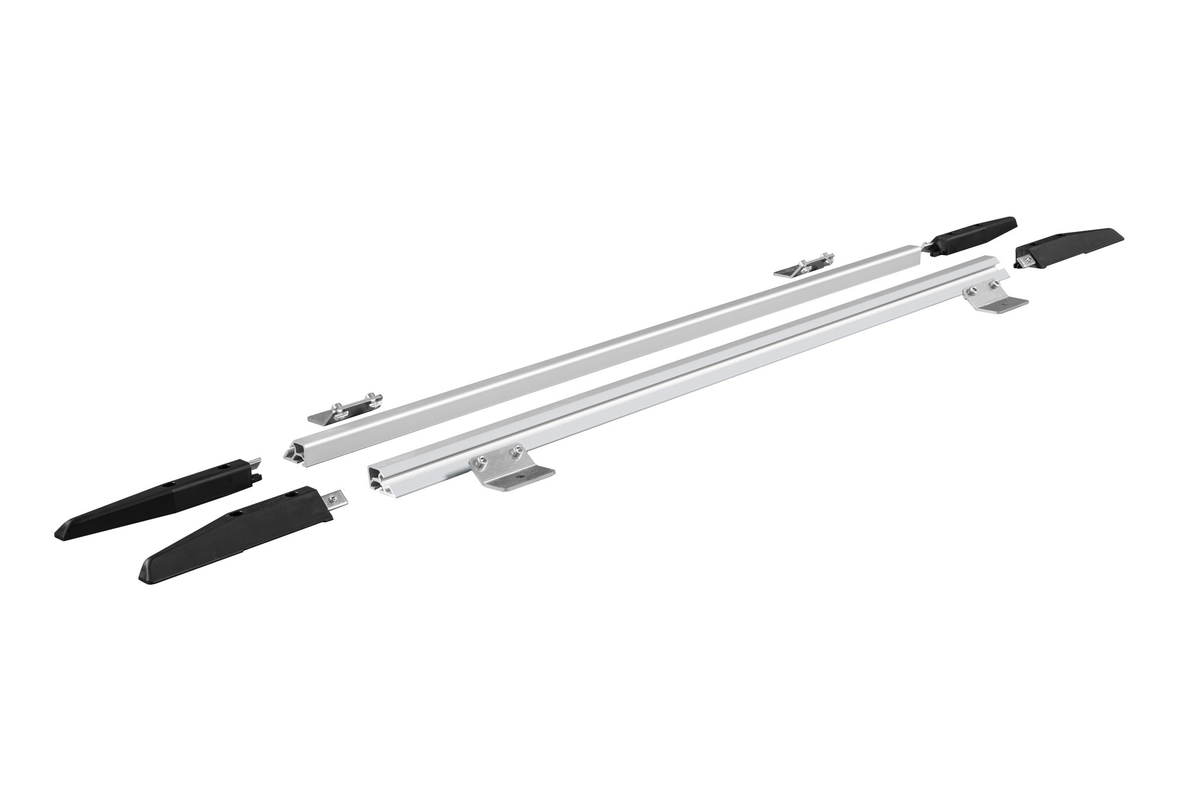
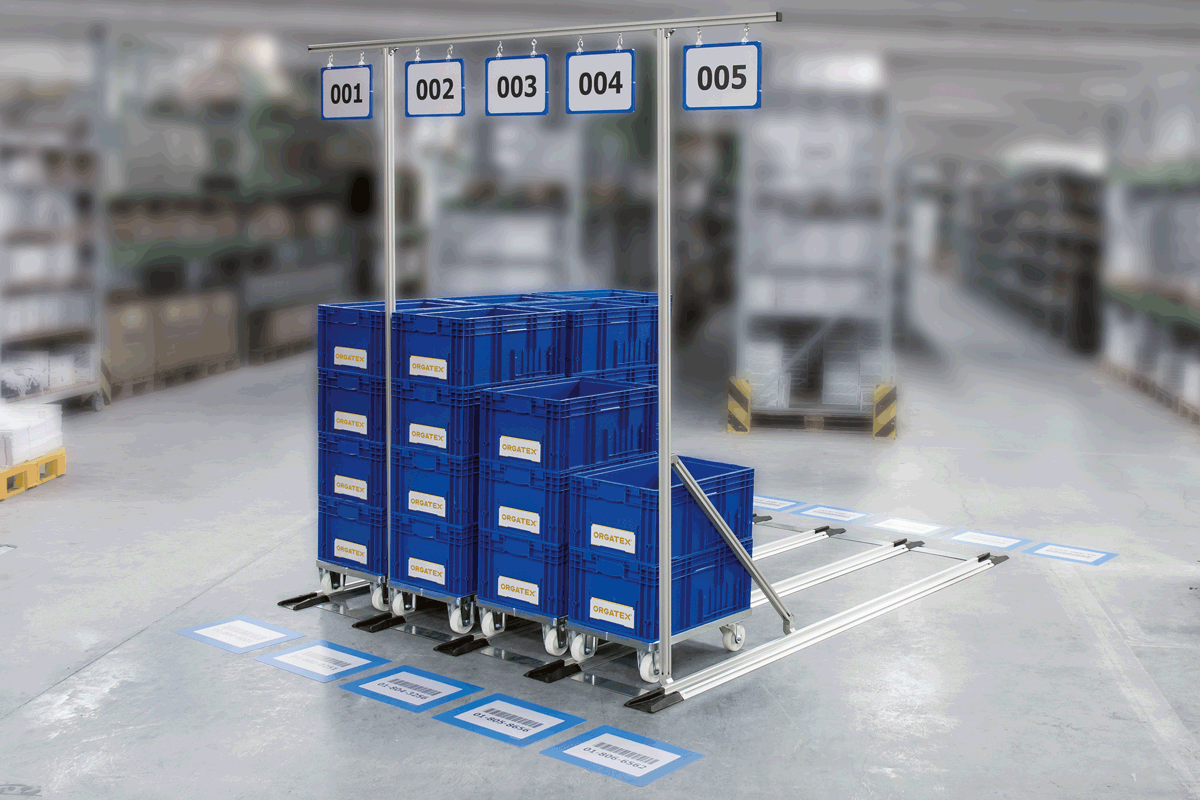
Material flow
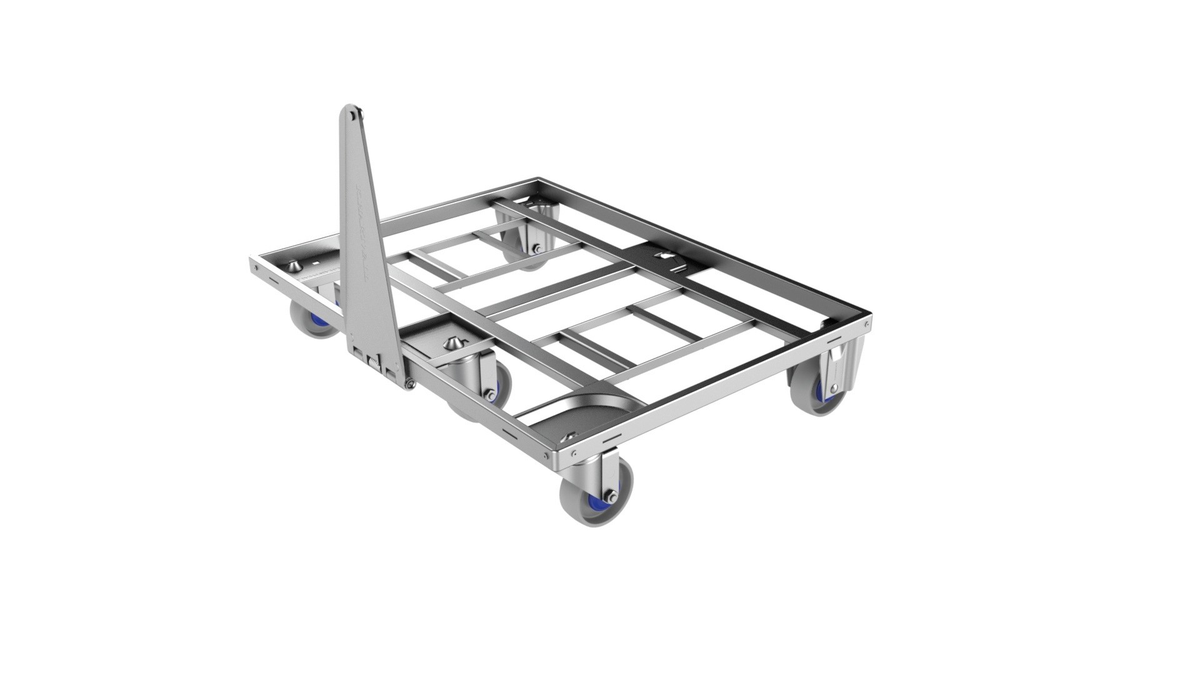
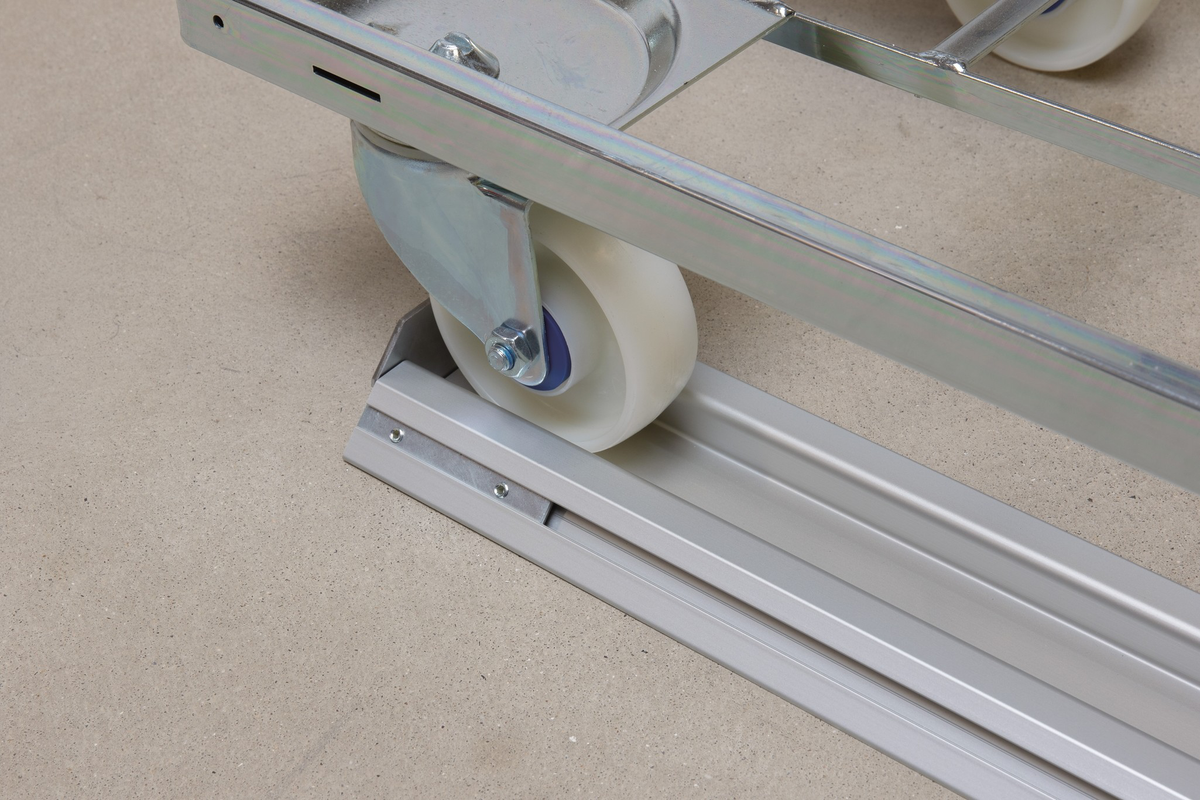
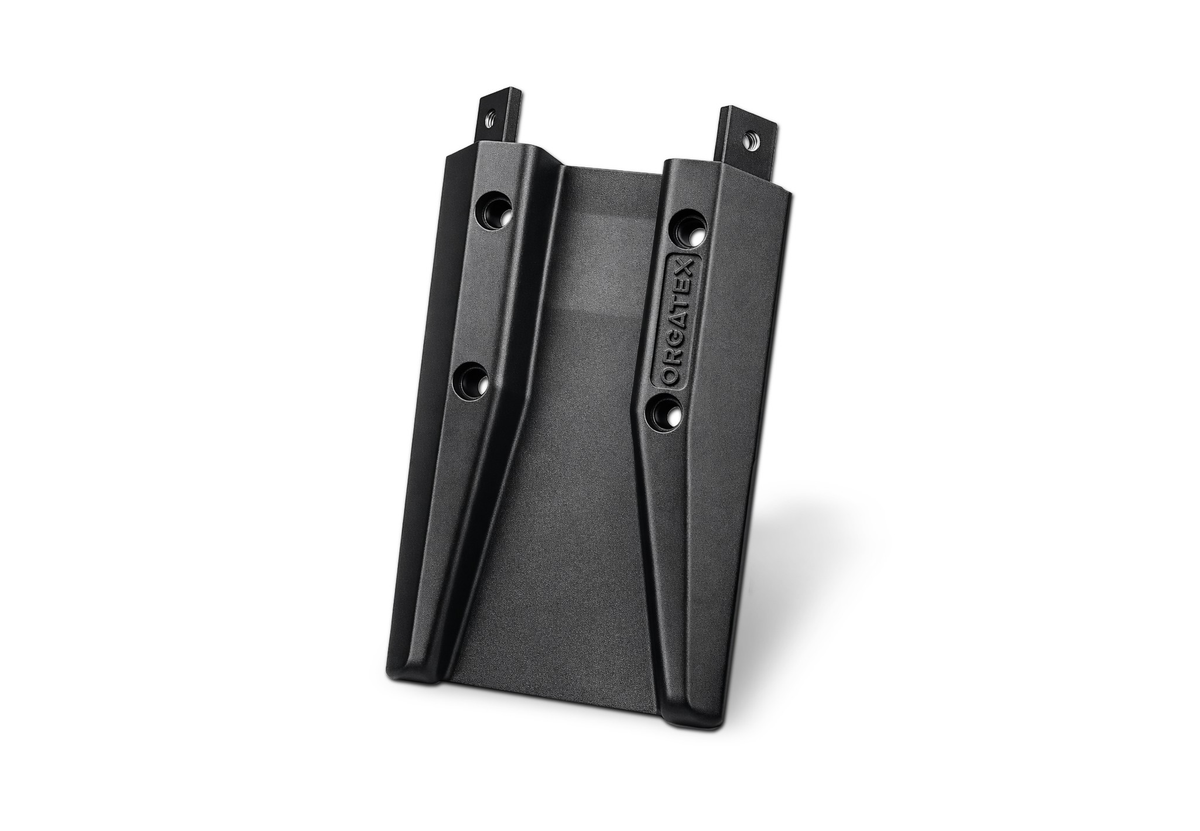
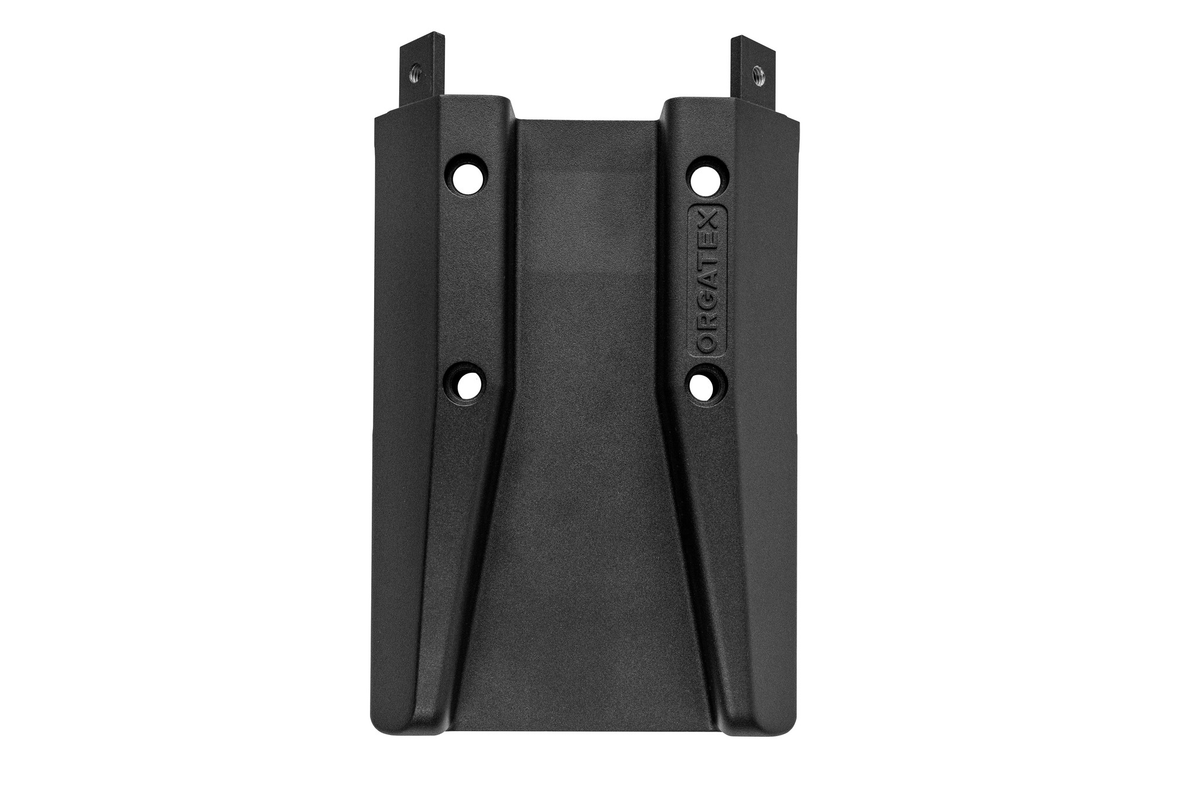
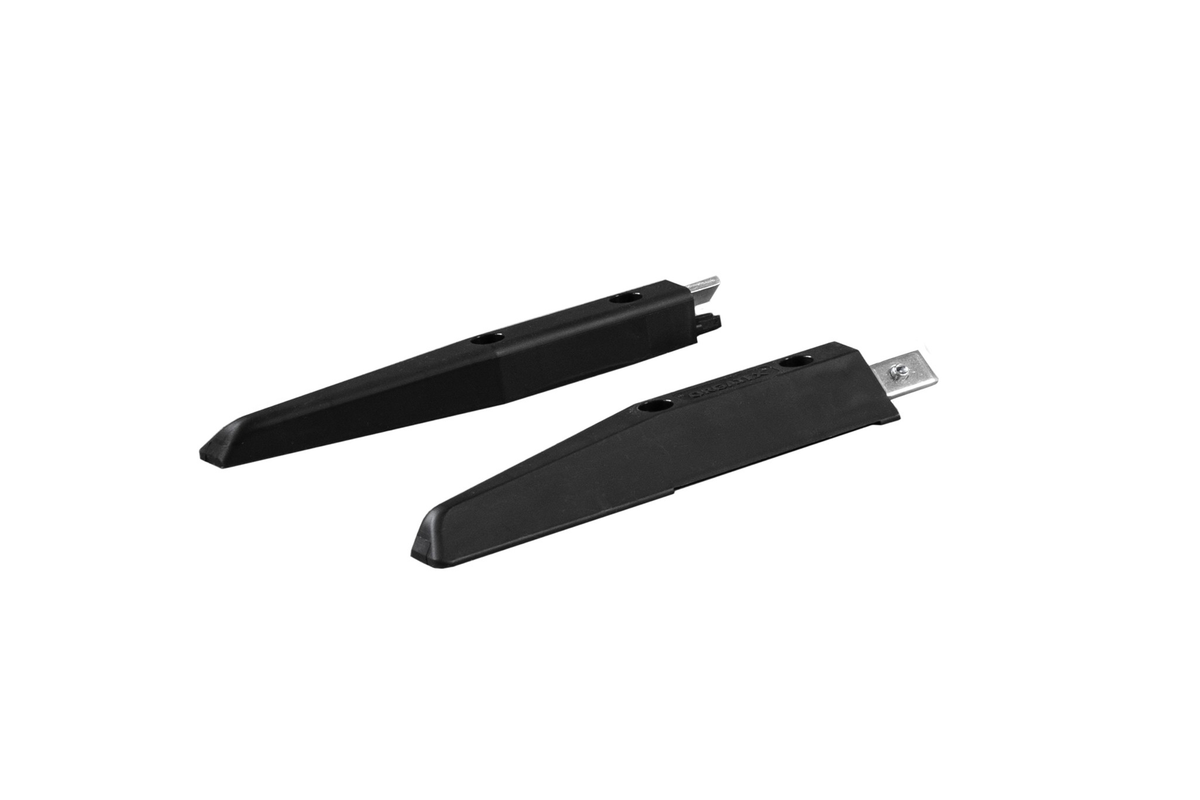
ORGATEX offers innovative and customized solutions to optimize your material flow. The various Products, including for example Floor roller, Taxi car or shelf trolleys for the material transport, are designed to meet your company-specific processes and to efficiently and sustainably improve both the handling and processing of products as well as the system-related interfaces.
The use of these solutions leads, for example, to a reduction in waste and Improving results in production and manufacturing. This saves you time and resources – a key factor for the competitiveness of companies in the industry. Learn more about material flow and how our solutions can help you save up to 30 percent of production costs through effective management of material and energy flows.
What is meant by material flow?
When it comes to material flow, a distinction is made between external and internal material flow. Logistics is about the planning, management, and control of internal and external material flows, particularly in production and logistics.
The internal material flow consists of material transport and material provision and focuses on technical, economic, and organizational transport within the flow systems. Material flow involves the movement of materials, raw materials, and products within a company, impacting the overall supply chain.
This process includes all steps that are technical, economic and organizational transportare necessary to transport, store, and process materials from one point in the production process to another. The following aspects are part of the internal material flow, including transport routes and storage systems.
- goods receipt
- storage
- intralogistics plays a crucial role in optimizing material flow processes.
- production processes
- goods issue and shipping are critical components of the supply chain.
An efficient internal material flow is crucial for the productivity and profitability of a company because it helps to minimize costs, shorten lead times, and ensure product quality through lean material flow practices.
Through a precise analysis of the material throughput,Potential for improvement revealedInefficient processes can be eliminated with appropriate measures. Learn more about this topic and contact our consultants. We'll be happy to help.
Material flow in lean production
Lean Production or "lean manufacturing" is a concept of production and process optimization that aims to minimize waste and maximize efficiency in a company.
It was originally developed in the automotive industry, particularly by the Japanese car manufacturerToyota, and has since expanded to many other sectors in the industry.
The original approach of Lean Production includes sevenTypes of wastethat can occur in companies. These include unnecessary transport, high inventory levels, unnecessary travel and movement, waiting times, overproduction, faulty processes, errors, and inefficiencies in material flow processes.
All sub-areas are related to theMaterial flowin the company. Efficiency in material flow and transport can be achieved primarily by optimizing the layout and individual workstations within the material flow systems.
How to optimize your material flow
Before measures can be taken to optimize the material flow, a sound material flow analysis is required for effective material handling. This will reveal weak points in the material flow so that they can be eliminated.
You can document the results and present them graphically to obtain an overview and define the goals of the optimized material flow planning.
Following the analysis,Lean methods, such as Kanban or Scrum, can be implemented to ensure material flow with as little effort as possible. When optimizing processes, it is particularly important to involve your employees and make new methods tangible through training to improve the production system.
ORGATEX offers tailor-made systems and products that can be customized to your specific needs. Discover our range!
Optimize your material flow - with ORGATEX
ORGATEX’s advanced planning and control solutions sustainably enhance the management of internal material flows, ensuring that material flow is essential to operational success. By optimizing material movement, they reveal and rectify bottlenecks and inefficiencies within the flow.
These innovative ORGATEX tools enable targeted optimization of material processes and the removal of waste through appropriate corrective actions. As a result, throughput times are shortened and excess inventory is reduced.
Innovative solutions for efficient material flow
Leverage ORGATEX’s innovative solutions to engineer your material flow with maximum efficiency. Streamlined material handling and rigorous process optimization are pivotal. Our systems capture data across these domains to reveal bottlenecks and inefficiencies within your material flow.
A thorough end-to-end analysis supports meaningful, lasting waste reduction while enhancing workplace conditions. This requires an on-site assessment and a comprehensive baseline inventory.
During material flow planning, you can establish precise KPIs and visualizations, making the interdependencies among individual processes transparent. Contact us by phone or email—we’re ready to provide expert guidance on optimizing your material and energy flows.
ORGATEX solutions for optimized material transport
Tugger train systems significantly enhance the efficiency of in-plant material flows, making them a critical lever for competitiveness in manufacturing and logistics. By deploying floor dollies, shelf carts, taxi vehicles, and adapter pallets for material transport and line-side provisioning, organizations can shorten throughput times and lower warehouse inventories. Explore our advanced conveyor and tugger solutions to optimize material handling end to end.
Use floor rollers for material transport
Stable floor rollers are an essential component for optimizing your material flow and form the basis for the material transport from the receipt of goods, through production and manufacturing, to the delivery of the products to the supplier, floor trolleys are actively involved in all processes of the logistics chain.
They are an important component to processes in the company to be more efficient. Unlike pallets, they require little space in the warehouse and can be transported quickly and without the need for a forklift.
By implementing ORGATEX floor trolleys, you can reduce material transport times and improve working conditions. A careful inventory of the material flow is essential to identify areas for improvement and optimization.
How adapter pallets improve your material flow
Adapter pallets are an innovative tool for improving your material flow. They play a crucial role in the control technology within a company, ensuring efficient management of material and energy flows, particularly in relation to conveyor systems inc. Their use allows floor trolleys to be stored and easily connected to the conveyor for efficient transport to the warehouse.
A thorough material flow analysis is therefore essential for optimizing your production system. Determining material throughput enables sustainable process improvements. With practical adapter pallets and floor rollers from ORGATEX, your material flow will be more efficient and your intralogistics will be sustainably optimized.
Improvement of working conditions, savings and acceptance
Improve your material flow with the innovative product series from ORGATEX in the area of workstation systems that impress with their high-quality workmanship and robustness. Regardless of whether they are Klt-Lifter or assembly workstations, all products are designed to improve the material flow within your company and optimize processes.
Efficient material flow solutions through ergonomic workplace systems
Through the use of ergonomic workstation systems the material flow within a company is designed efficiently and processes in the material provision is optimized by saving unnecessary movements and time spent searching for tools and materials, enhancing the overall efficiency of the in-house material flow.
For example, they contribute significantly to improving assembly processes and optimizing material use. Through a detailed review of products and material flow, vulnerabilities are uncovered, and deficiencies are eliminated with appropriate measures to enhance in-house material flow. ORGATEX workstation systems thus function as a crucial interface within the logistics chain and lead to sustainable efficiency and productivity in your company.
How KLT lifters make material flow in your company more efficient
The use of KLT lifters revolutionizes the material flow in your company. The lifter takes over the heavy lifting of crates for your employees and is fully adaptable to your material handling needs. This protects the health and strength of your employees and avoids downtime due to illness and overwork, which is crucial in maintaining productivity in industrial ecology. Discover the conveyor systems that make work easier!
Material provision based on the first-in-first-out principle
The provision of materials after the First-in-first-out principle (FIFO)is a method of storing and retrieving materials in which the materials stored first are also removed first.
FiFo is a system that prevents damage caused by long storage, which is essential for maintaining efficient storage systems. This prevents waste and enables easy traceability. Furthermore, required quantities of material can be precisely calculated and prepared for transport. Learn more about efficient distribution within your company.
FIFO stations for continuous material flow
ORGATEX FIFO stations contribute significantly to the optimization of your internal material flow. They are essential system elements of the material flow and support the effective distribution and transport of your products, raw materials and materials for production and manufacturing.
With a thorough inventory, our consultants record the current condition directly on site, identify deficiencies and offer targeted measures and methodsfor optimization. The meaningful results are carefully documented and graphically illustrated to provide a comprehensive overview. Increase your company's efficiency with ORGATEX's conveyor systems inc for improved material flow!
Individual solutions for your material flow with ORGATEX
ORGATEX stands for intelligent solutions, outstanding visual management, security, and efficient material flow systems for industry and production. Through a detailed on-site inventory, all processes within a company and related to the internal material flow are inspected.
ORGATEX's logistics concepts offer customized solutions to optimize your material flow. They focus on the system elements that are part of your company's internal processes, including conveyor systems and storage systems. This includes in-depth material flow analysis with on-site inventory and identification of system boundaries and interfaces.
With the help of appropriate measures, identified weak points in the transport and provision of material This not only improves intralogistics processes but also optimizes the entire logistics area – for satisfied customers and efficient workflows.
TOP FAQs related to "Material Flow"
How does material flow planning improve warehouse and flow systems?
Material flow planning optimizes warehouse layout and flow systems by mapping source and sink points, reducing transport costs, and improving material handling systems such as pallet trucks and roller conveyors. Well-designed material flow shortens travel distances, supports just-in-time delivery, and enables cost reduction while enhancing efficient production and logistics processes. Effective material flow planning also relies on accurate demand forecasting, standardized load units, and clear routing rules to minimize bottlenecks and waiting times. By integrating digital tools—such as warehouse management systems (WMS), automated identification (barcodes/RFID), and simulation models—organizations can visualize throughput, test layout alternatives, and dynamically adjust to variability in orders or production.
Key elements include:
- Segmentation of fast-, medium-, and slow-moving items to position stock by turnover (ABC/XYZ analysis).
- Balanced capacity across receiving, put-away, storage, picking, packing, and shipping to avoid shifting bottlenecks.
Defined material handling strategies (e.g., batch picking, zone picking, cross-docking) aligned with order profiles and service levels are essential for optimizing logistics.
- Ergonomic and safety considerations to reduce strain and incidents while maintaining speed.
- Standard work and visual management to ensure consistent execution and rapid issue detection.
When combined with automation—AGVs/AMRs, AS/RS, pick-to-light/voice, and conveyor sortation—material flow becomes more predictable and scalable. However, automation should follow process simplification and right-sized design; otherwise, it risks locking in inefficiencies.
Continuous improvement is essential. KPIs such as travel time per line, picks per labor hour, dock-to-stock time, order cycle time, and damage rate should be monitored, with root-cause analysis guiding layout tweaks, slotting updates, and handling method changes. Scenario planning for seasonality, product mix shifts, and growth ensures the flow design remains resilient.
Ultimately, material flow planning aligns physical design, information systems, and operations to deliver the right material, to the right place, at the right time, with minimal waste—supporting higher service levels, lower operating costs, and safer, more reliable logistics.
What is material flow analysis and how can a Sankey diagram help?
Material flow analysis visualizes the movement of materials along a process or value chain, making it easier to track the paths that raw materials, intermediate goods, and finished products take through production, storage, and distribution; when combined with Sankey diagrams that proportionally highlight volumes between stages, this approach quickly reveals bottlenecks, excessive inventories, leakages, and waste streams. By quantifying inputs, outputs, and internal transfers, material flow studies give factory planners, supply chain managers, and industrial ecologists the data needed to identify inefficiencies, prioritize targeted interventions, and evaluate the impact of process changes; these insights support lean management initiatives, help reduce material and energy consumption, guide decisions on recycling and reuse, and ultimately lower operating costs while improving throughput and sustainability. The method can be applied at multiple scales—from individual production lines to entire value chains—and integrates with inventory records, production schedules, and mass-balance calculations to produce actionable recommendations, monitor progress over time, and support regulatory reporting or corporate sustainability goals.
How do conveyor systems and conveyor technologies affect material handling?
Conveyor systems, from simple roller conveyors to fully automated lines, play a central role in optimizing material flow across warehouses and production floors by reducing manual handling, minimizing bottlenecks, and ensuring consistent movement of parts and finished goods; when conveyor components are properly selected—including belts, rollers, drives, sensors, and accumulation systems—they lower transport costs, increase line speed, reduce product damage, and enable smoother assembly processes. Integrating these conveyor systems with manufacturing execution strategies and enterprise resource planning (ERP) systems or machine controls allows real-time tracking and coordination of material flow, improving throughput, facilitating just-in-time delivery to workstations, and supporting predictive maintenance. In addition, thoughtfully designed conveyance that considers ergonomics, safety interlocks, and automated sorting enhances worker safety and regulatory compliance while providing the flexibility needed to scale operations, respond to demand changes, and achieve measurable efficiency gains across the supply chain.
Can optimization of material handling systems lead to better manufacturing execution?
Yes — optimization aligns material handling systems with manufacturing execution plans to ensure timely parts supply, minimize inventory, and achieve just-in-time production, improving the overall material flow through the plant; by focusing on material flow, companies can reduce lead times, eliminate bottlenecks, and synchronize upstream and downstream processes to keep assembly lines running smoothly. Integrating ERP and MES data helps monitor key figures related to material flow, such as throughput, cycle times, and inventory turns, which improves decision-making and enables Industry 4.0 capabilities like real-time visibility, predictive analytics, and automated control. The result is more efficient production, lower costs, and a resilient material flow that can adapt to demand fluctuations and supply disruptions while supporting continuous improvement initiatives.
What role does industry 4.0 play in improving material flow systems?
Industry 4.0 integrates sensors, conveyors, ERP systems, and manufacturing execution systems to create comprehensive, real-time visibility into material flow across the entire production environment. By linking data from machines, transport devices, and enterprise software, manufacturers can monitor material flow continuously, detect deviations early, and respond with dynamic routing decisions that keep items moving efficiently. This connectivity supports predictive maintenance that reduces unexpected downtime, automated controls that optimize throughput, and decision support that aligns production with demand, all of which contribute to lean management. As a result, transport costs fall, inventory levels are better controlled, and logistics processes become more agile—so plants can scale, adapt to changes, and sustain improved performance across the material flow network.
How do flow systems influence logistics processes and cost reduction?
Efficient flow systems reduce handling steps and optimize routing between source and sink, which lowers transport costs and speeds throughput. By applying material flow planning, logistics processes become more synchronized with procurement and production, enabling cost reduction, improved key figures, and better alignment with the value chain. This synchronization also enhances transparency across departments, making it easier to identify bottlenecks, balance workloads, and adapt to demand fluctuations. Standardized interfaces and clear handover points reduce errors and rework, while digital tracking provides real-time visibility into inventory positions and order status, optimizing logistics throughout the supply chain. As a result, planners can make faster, data-driven decisions on lot sizes, replenishment triggers, and transport frequencies.
Furthermore, integrating warehouse layout with route design and equipment selection raises space utilization and energy efficiency. Cross-docking, milk-run concepts, and pull-based replenishment shorten lead times and smooth variability. Where appropriate, automation—such as AGVs, goods-to-person systems, and dynamic slotting—amplifies these benefits by minimizing non-value-added movements and stabilizing cycle times.
Continuous improvement loops, supported by KPIs like on-time delivery, order cycle time, pick accuracy, and overall logistics cost per unit, help sustain gains. Scenario modeling and digital twins allow organizations to test policy changes and network redesigns before implementation, reducing risk. Ultimately, a well-orchestrated material flow plan strengthens resilience, scales with growth, and creates a foundation for end-to-end operational excellence.
What are common methods for improving material flow in manufacturing and assembly lines?
Common methods include layout redesign, conveyor and roller conveyor upgrades, implementing pallet trucks and automated guided vehicles, adopting lean management techniques, and integrating ERP and manufacturing execution data. These steps improve material flow along assembly lines, shorten lead times, and support efficient production.
How do material flow systems relate to factory planners working on a greenfield site?
Factory planners at a greenfield site can design material flow systems from scratch to optimize layout, select appropriate conveyor systems and material handling systems, and embed industry 4.0 technologies. Early material flow planning shortens commissioning time, reduces upfront transport costs, and establishes a well-designed material flow that supports future scalability.
What metrics or key figures should be used to evaluate material flow and optimization?
Key figures include throughput, lead time, work-in-process levels, transport cost per unit, utilization rates, and on-time delivery. Tracking these metrics in ERP or manufacturing execution systems enables benchmarking, reveals areas for improving material flow, and supports decisions for cost reduction and efficient production.
How can companies integrate material flow planning with ERP and lean management to optimize operations?
Integrating material flow planning with ERP and lean management aligns inventory, scheduling, and resource allocation. ERP provides transactional data while lean methods identify waste; together they enable synchronized material flow, better decision-making for conveyor and material handling investments, and measurable improvements in transport costs and overall value chain performance.